My practice is an ongoing inquiry into how time leaves traces on matter, and how photography can become a site where these traces are not only recorded, but physically enacted.
I approach photography not as an act of representation, but as a process of encounter—between human intention and forces that exceed control. Landscapes, bodies, and materials are not subjects to be captured, but collaborators that participate in the formation of the image. Through long exposure, chemical intervention, and site-specific processes, I allow uncertainty to enter the work, treating it not as error, but as evidence of time at work.
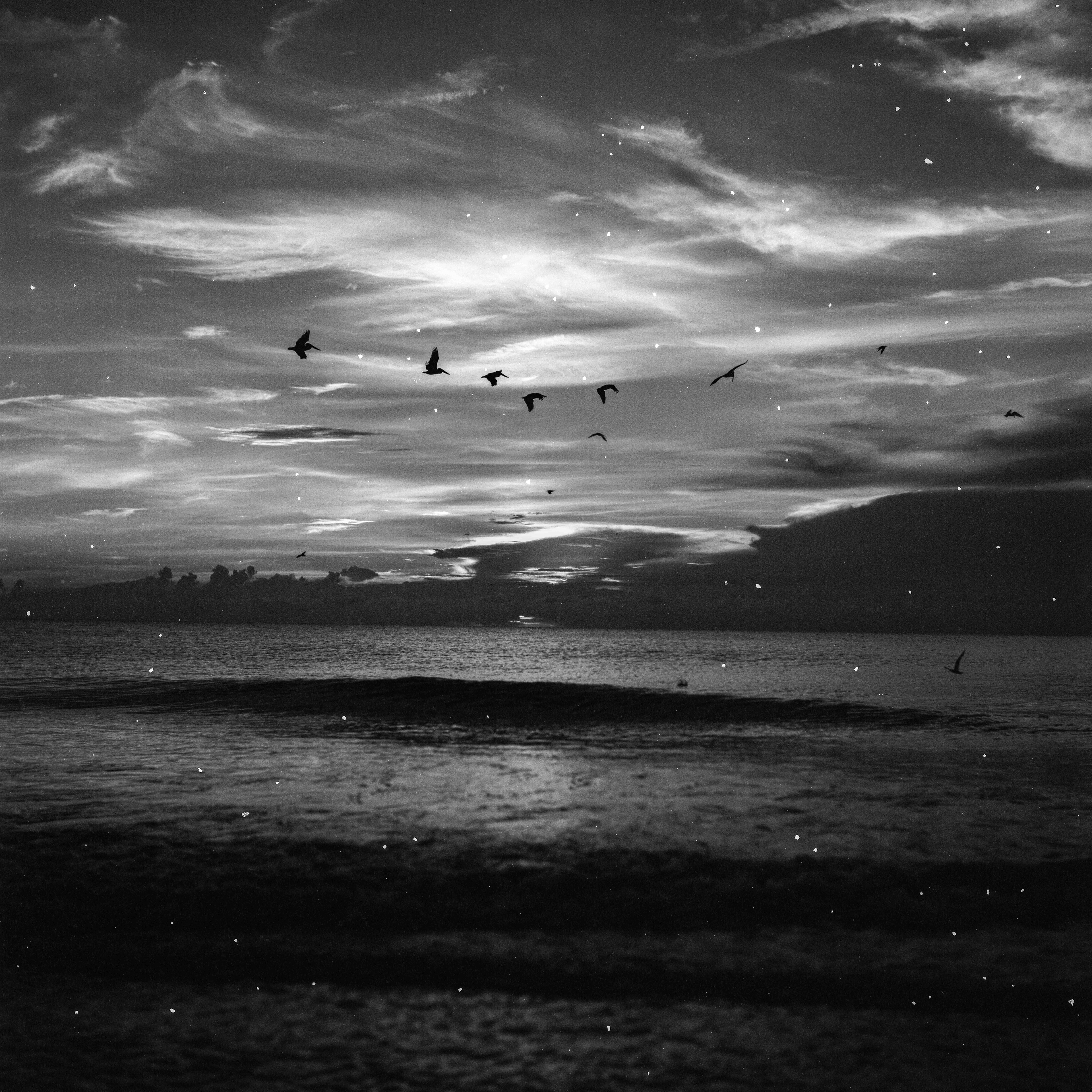
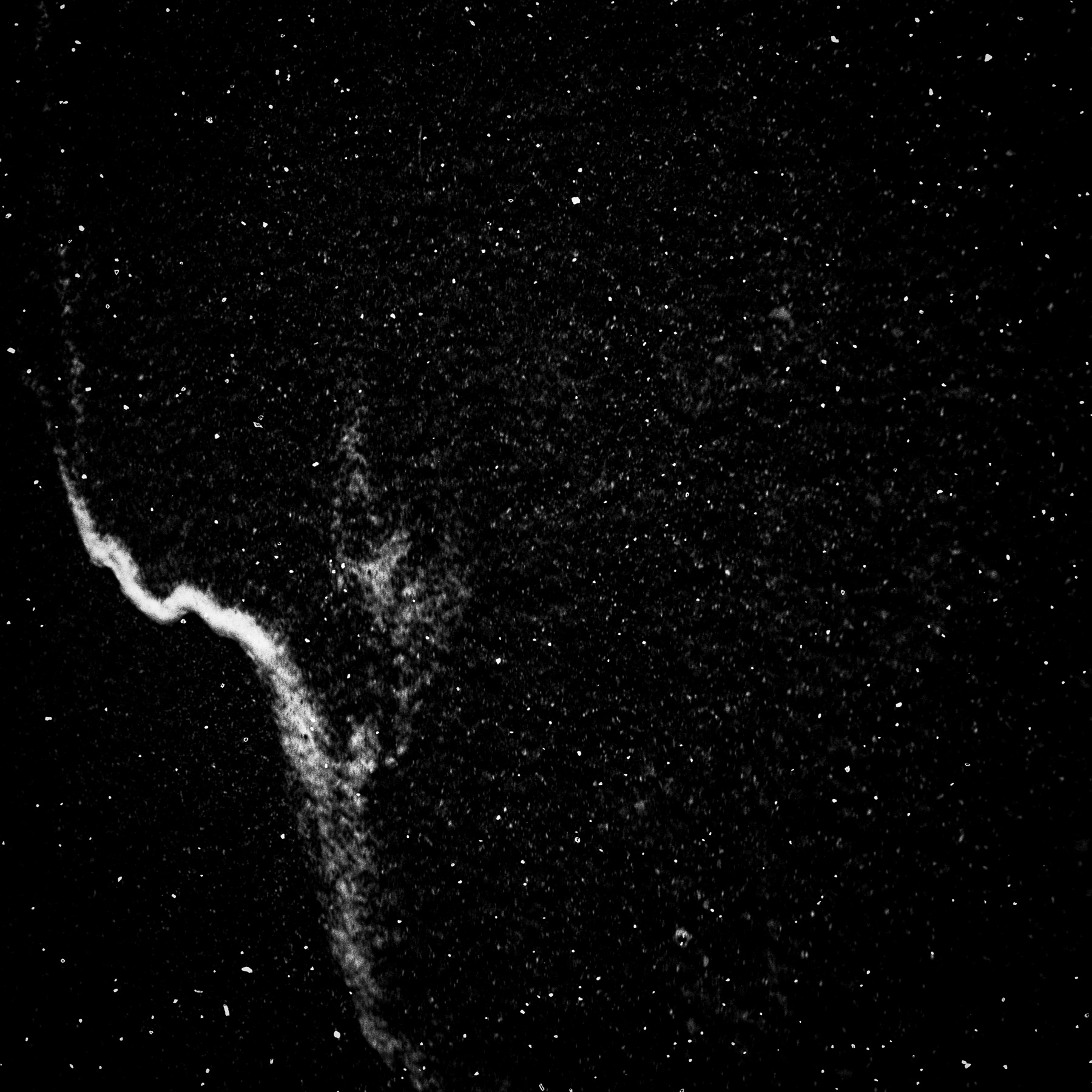
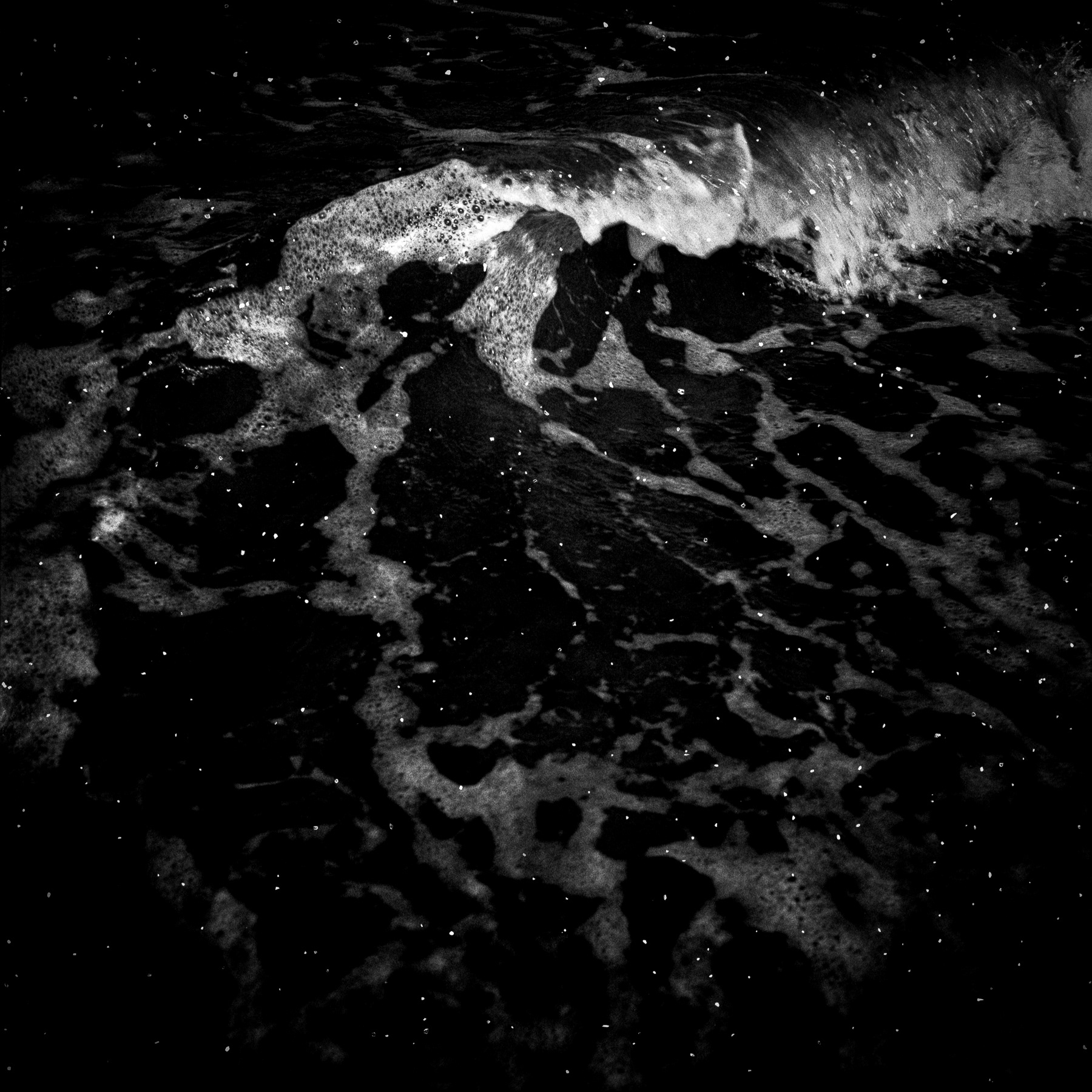
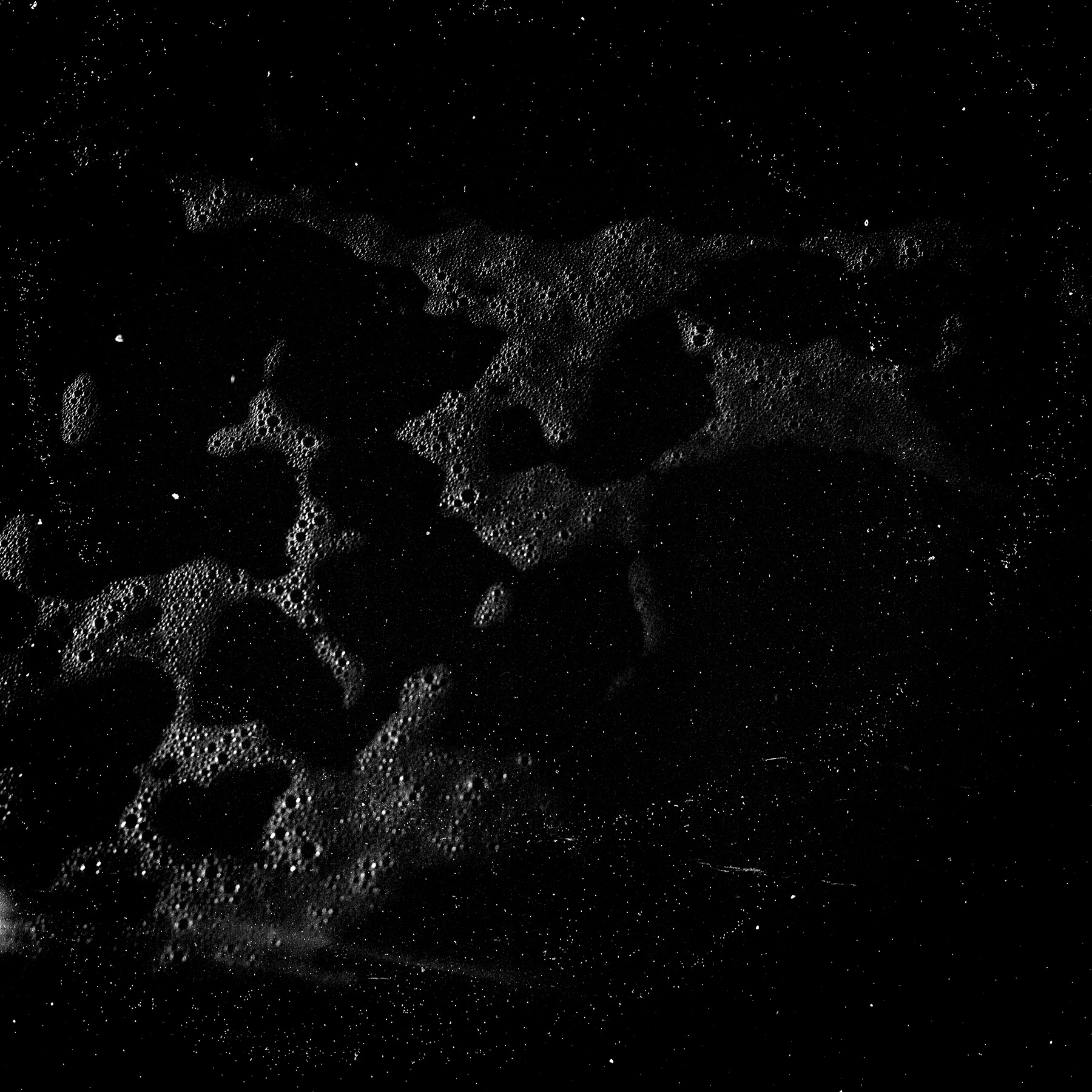
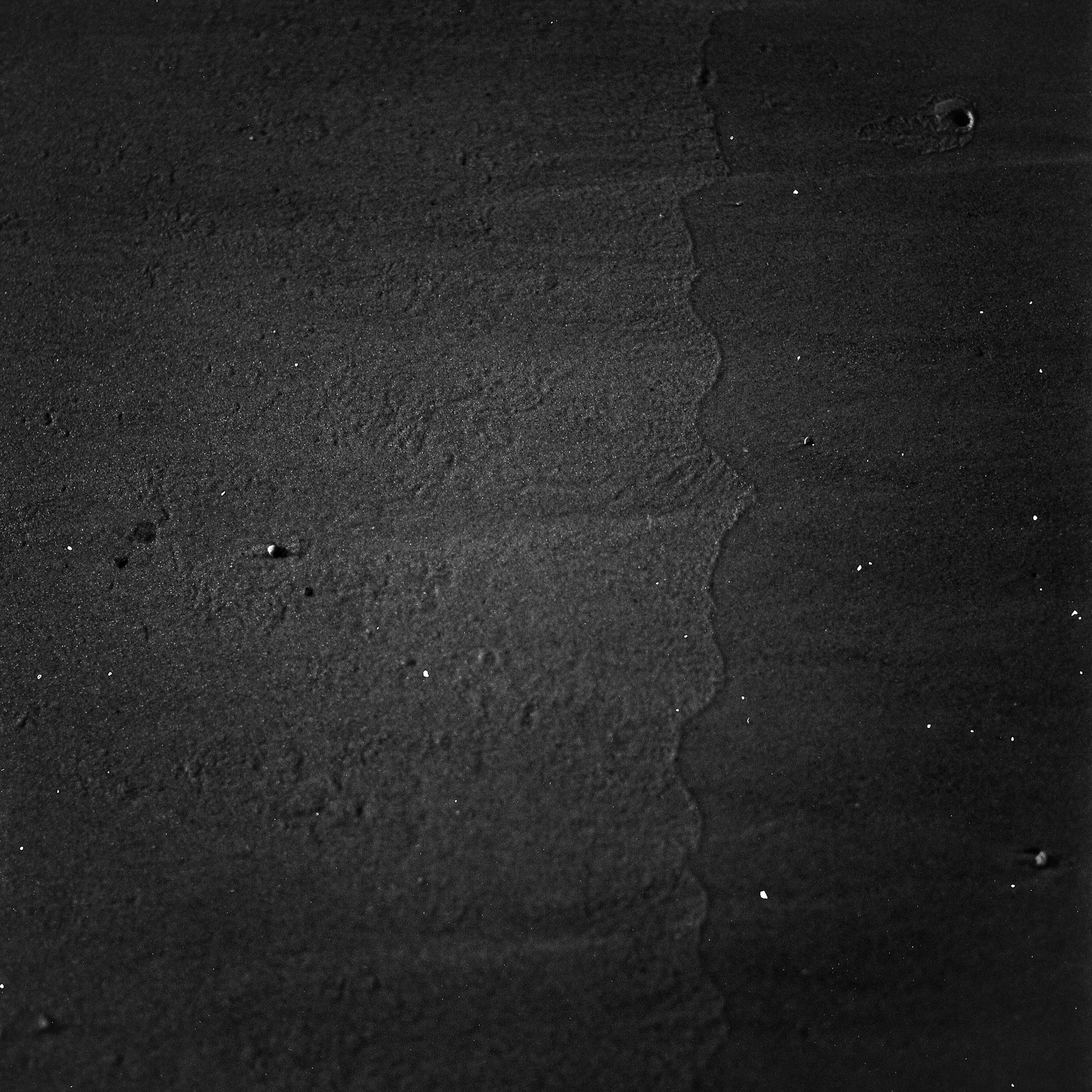
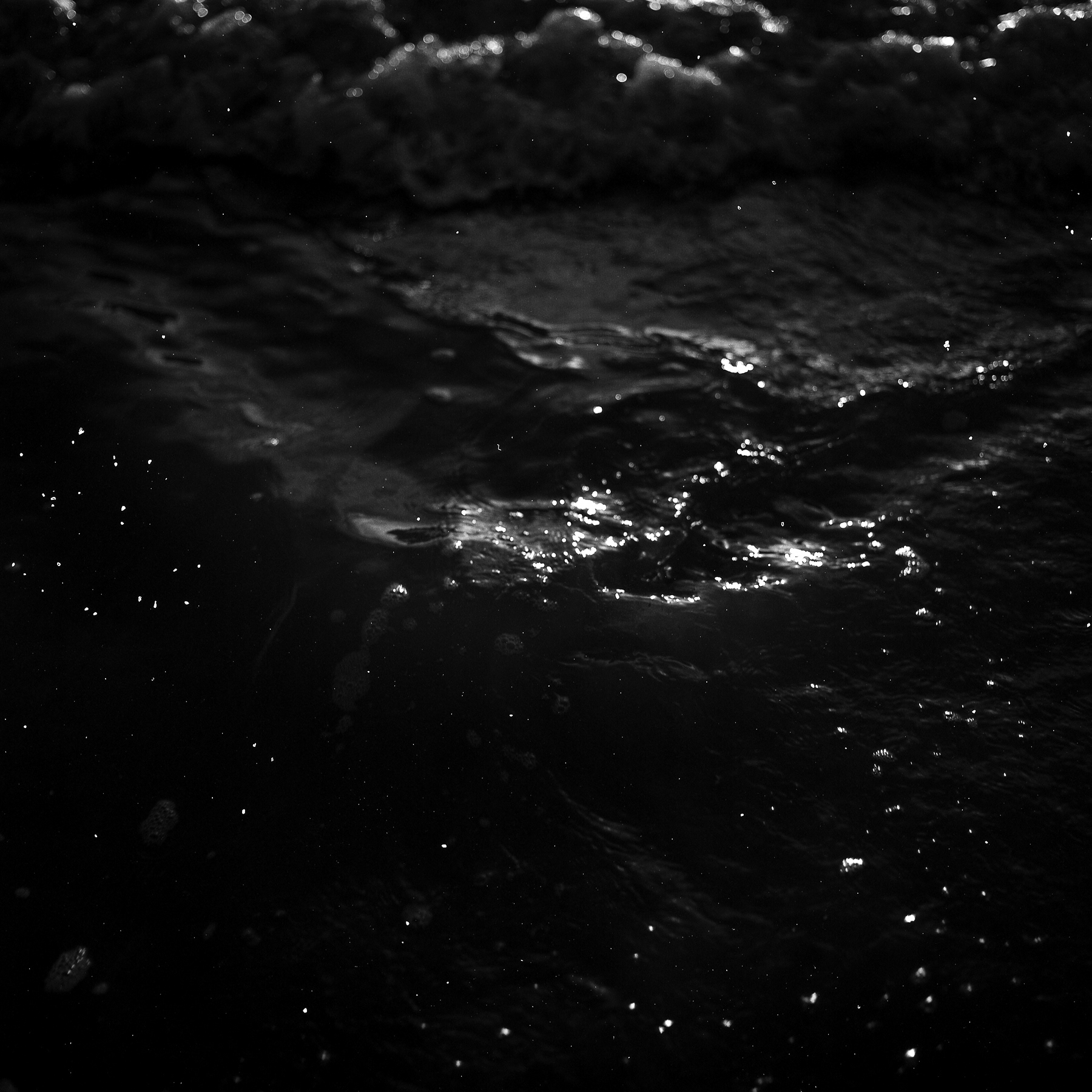
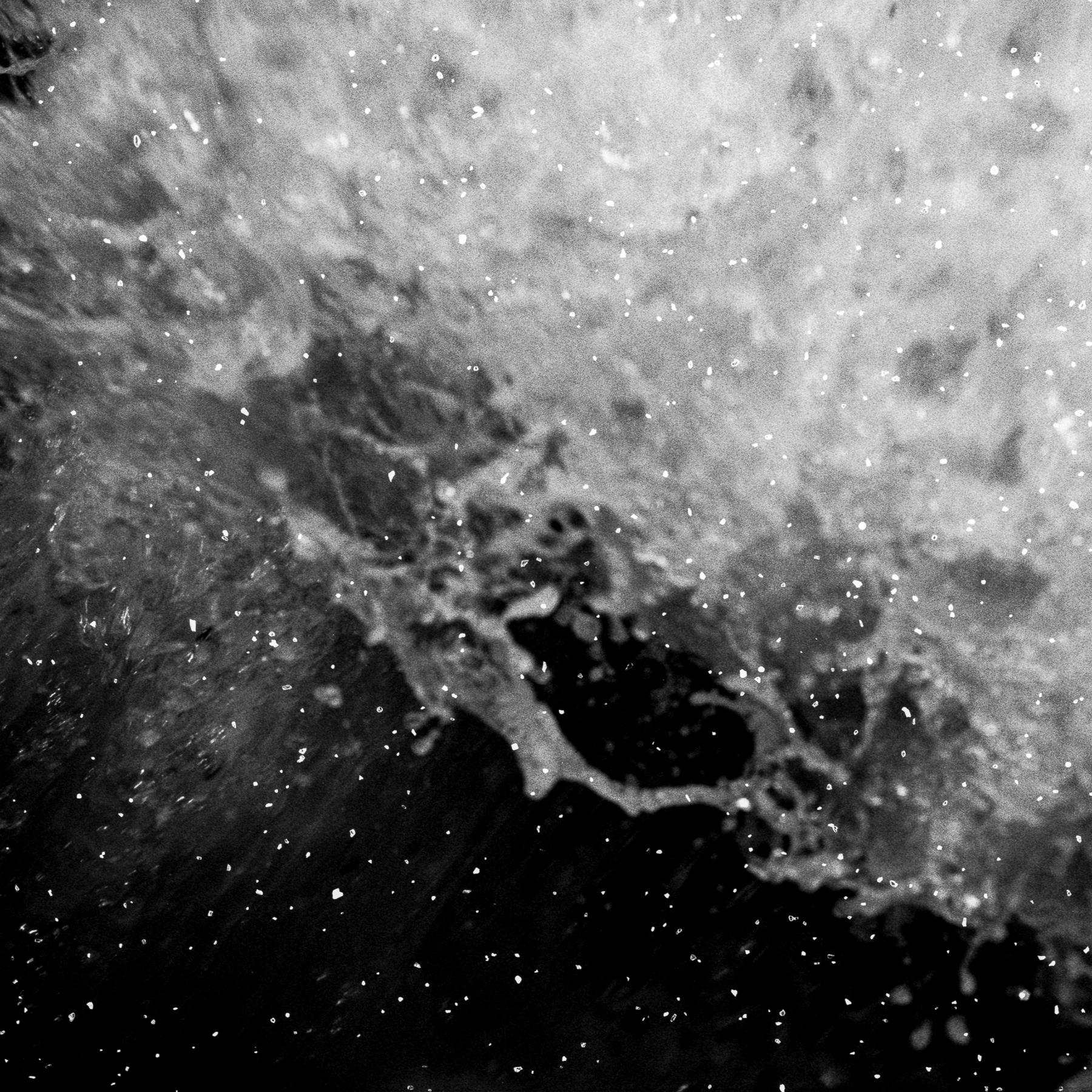
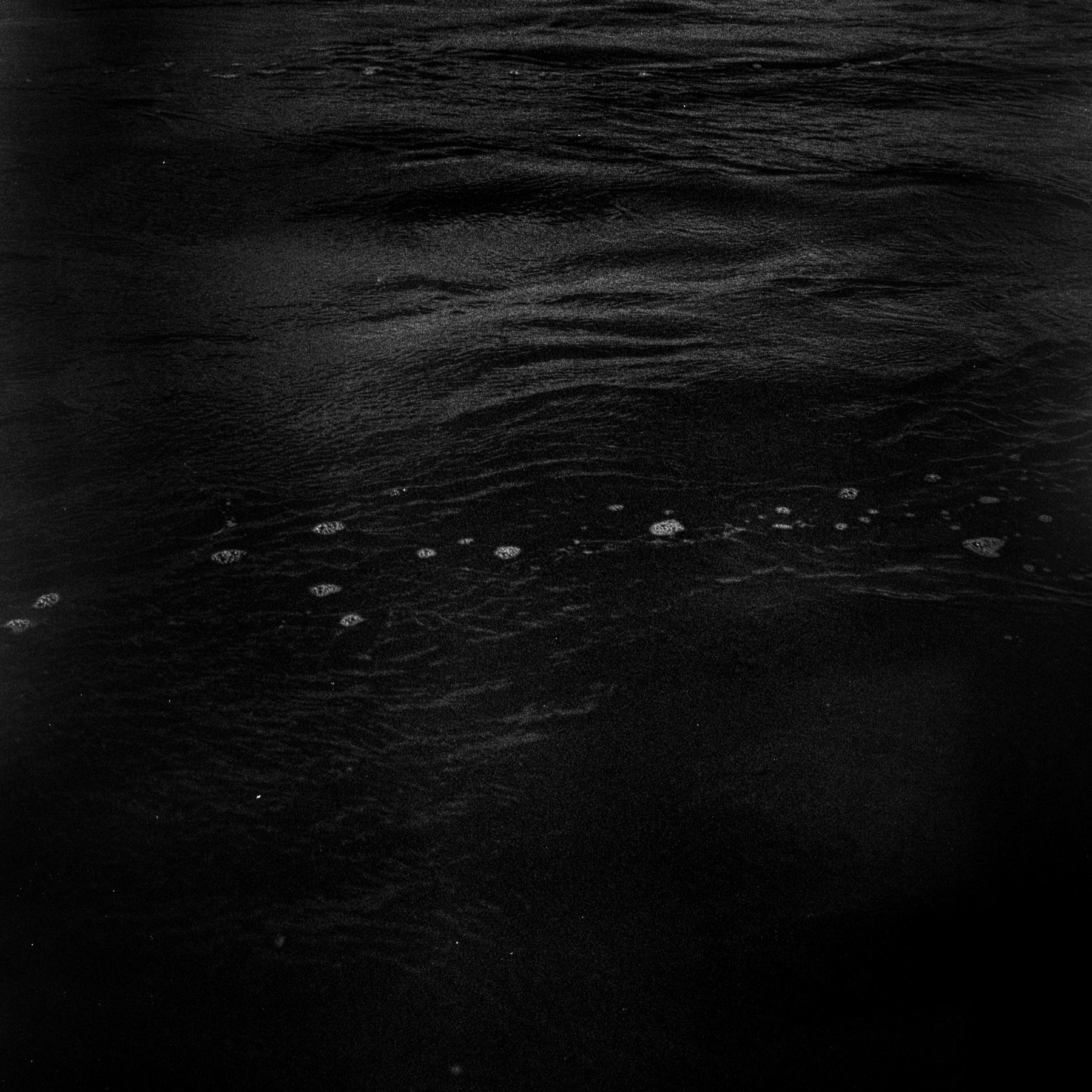
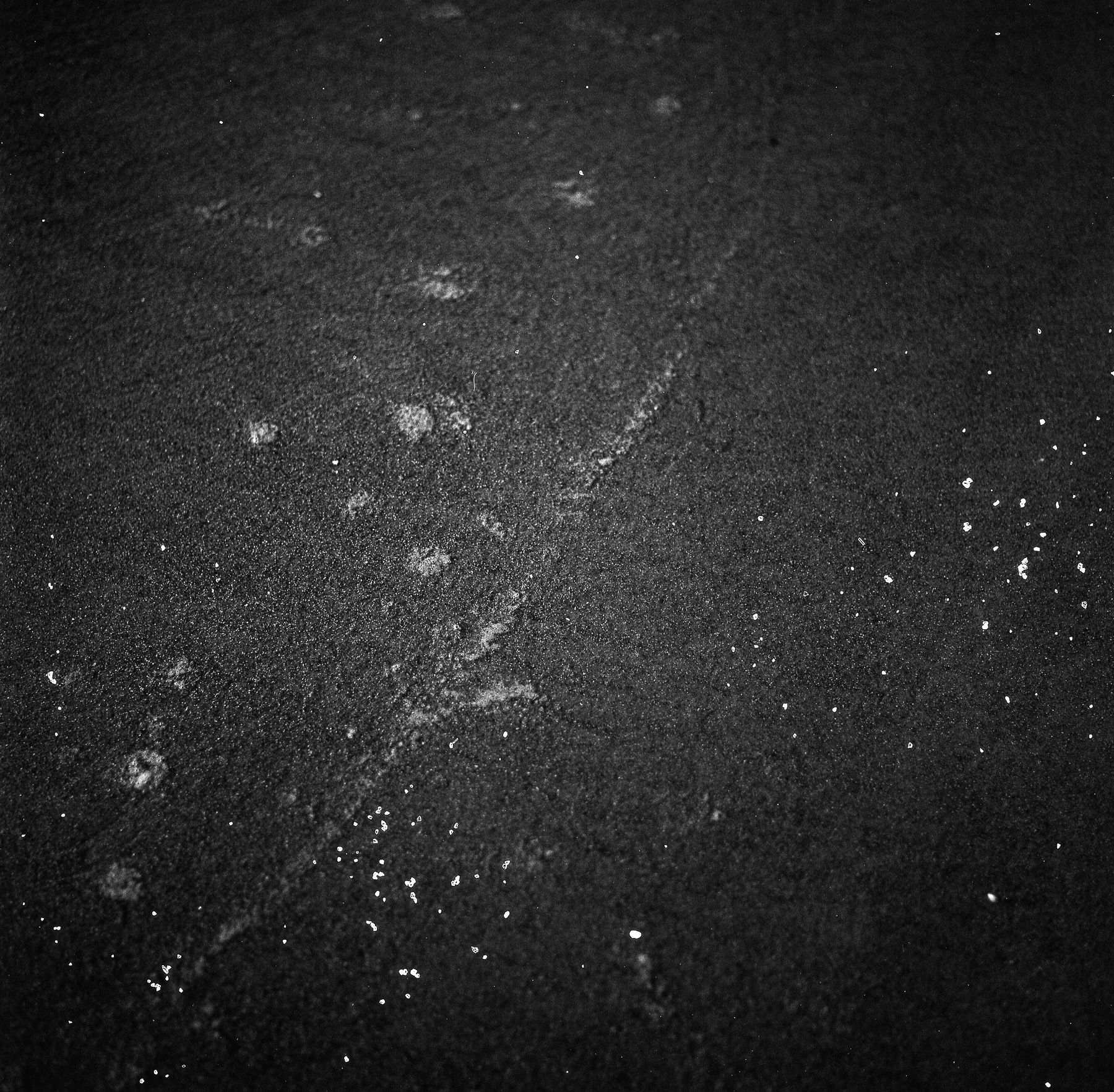
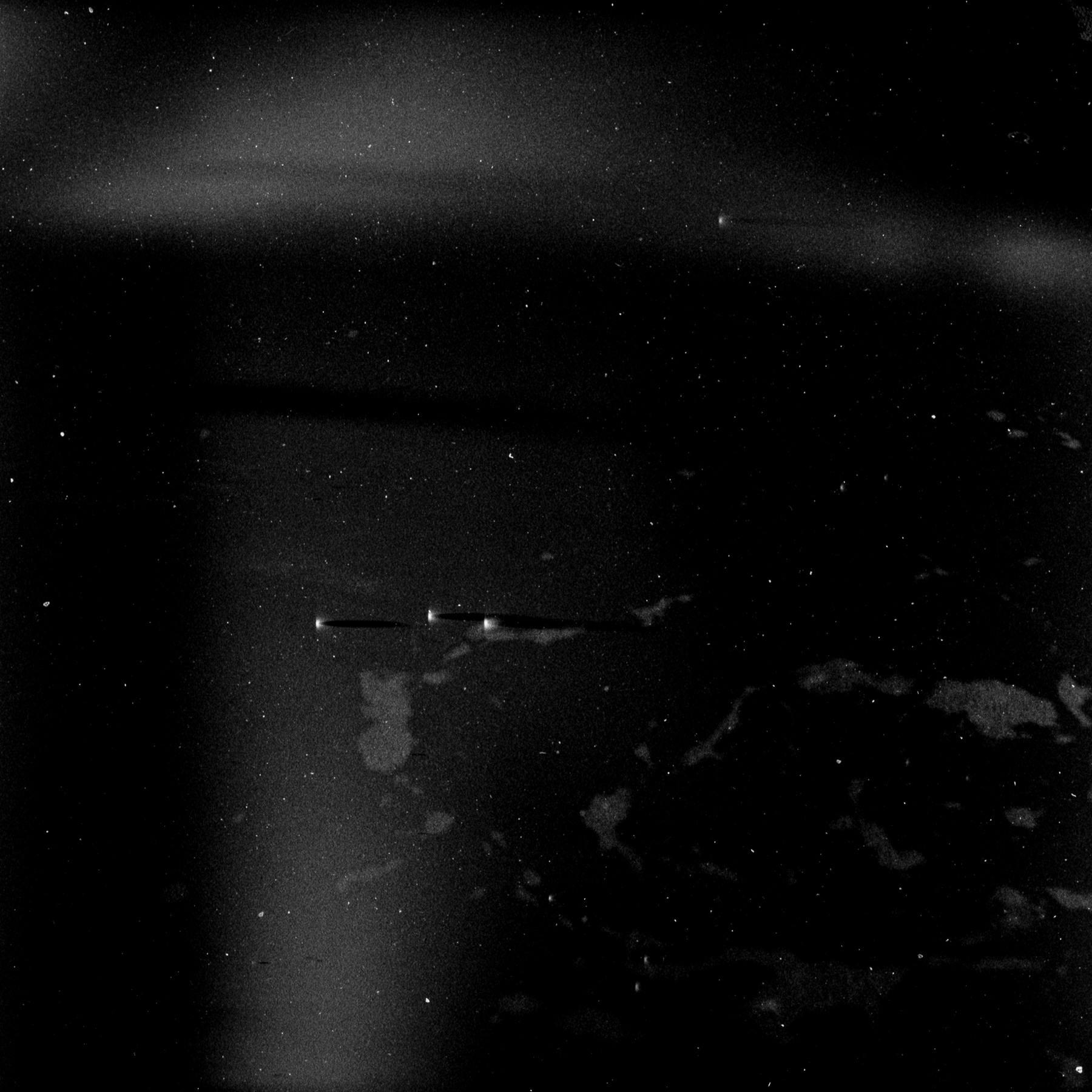
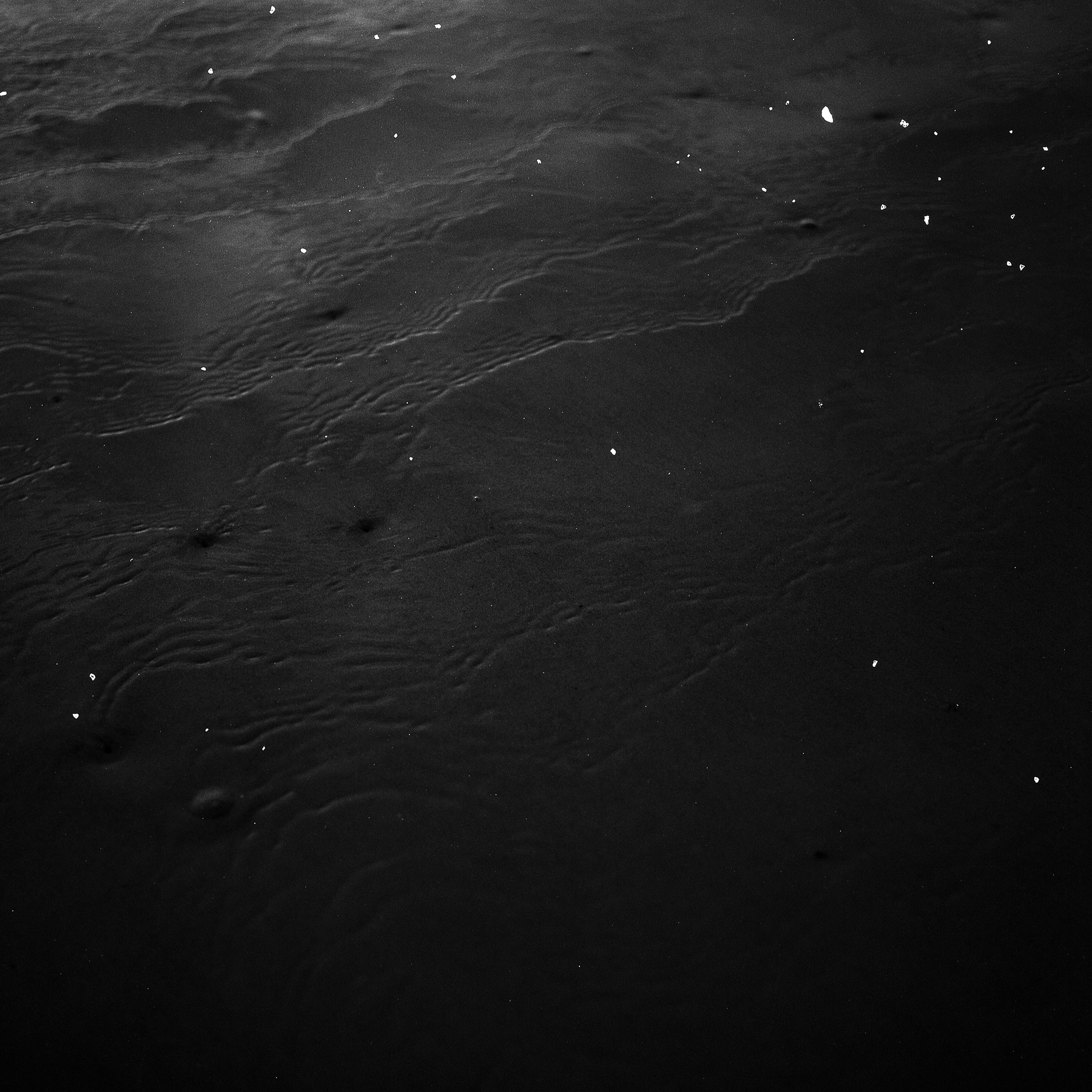
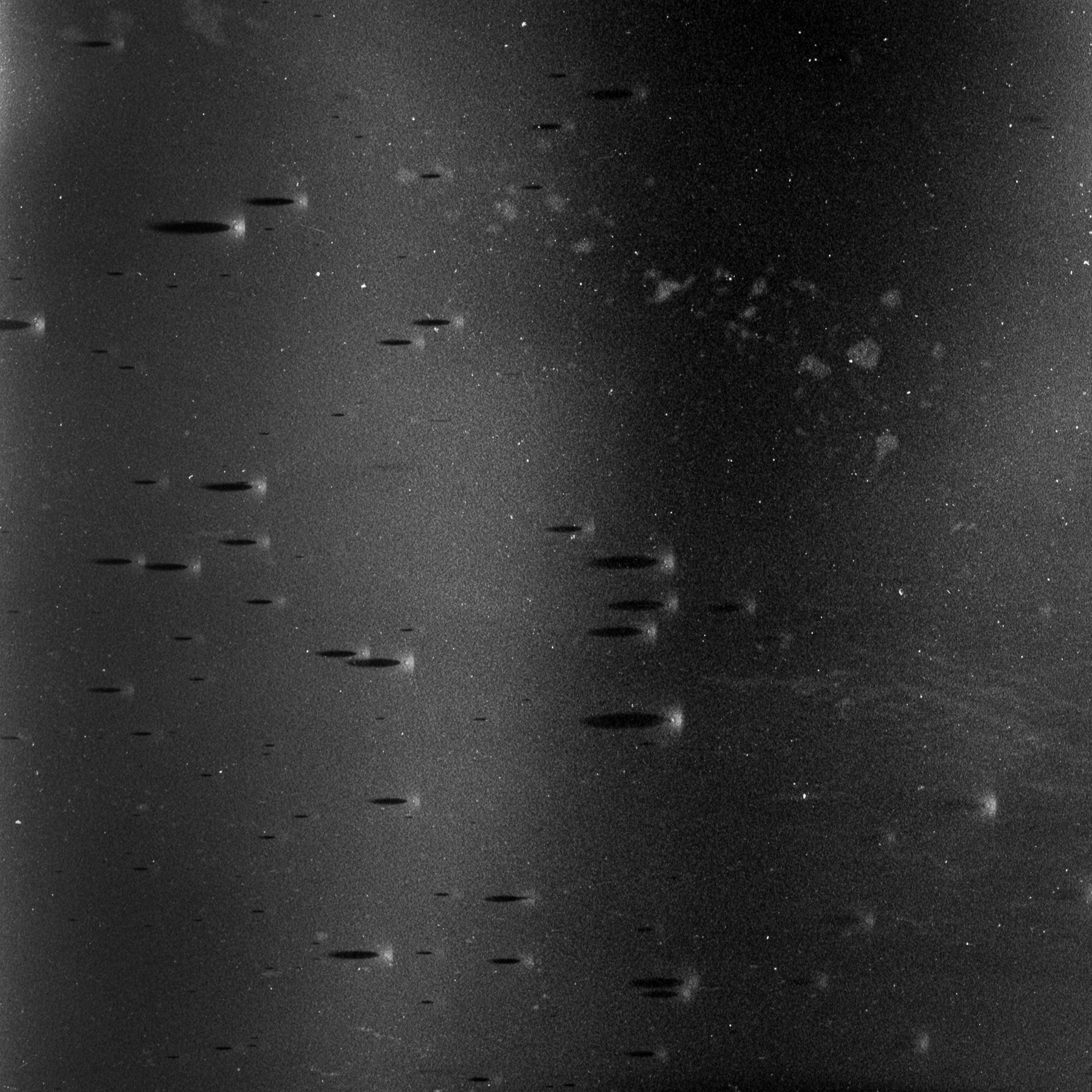
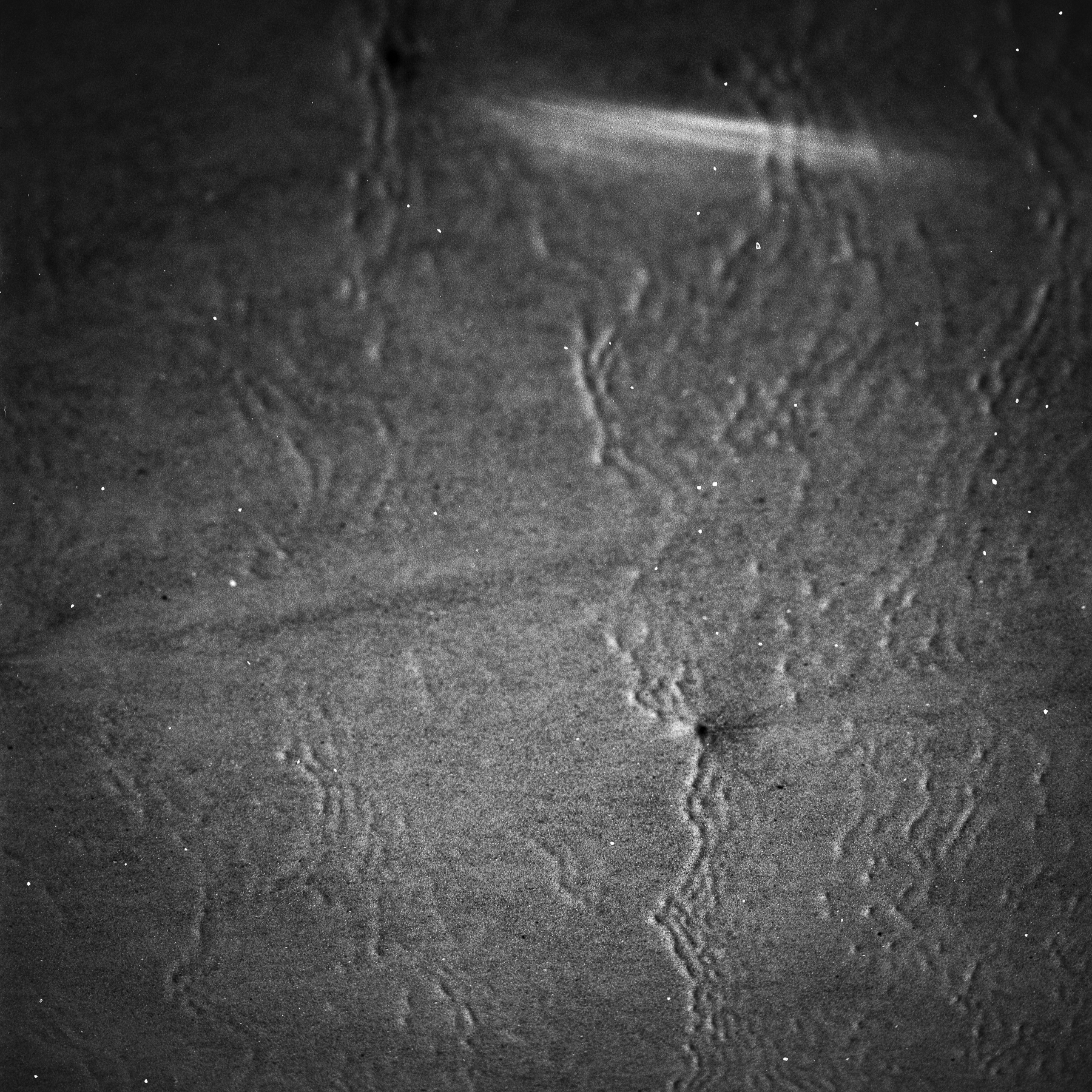
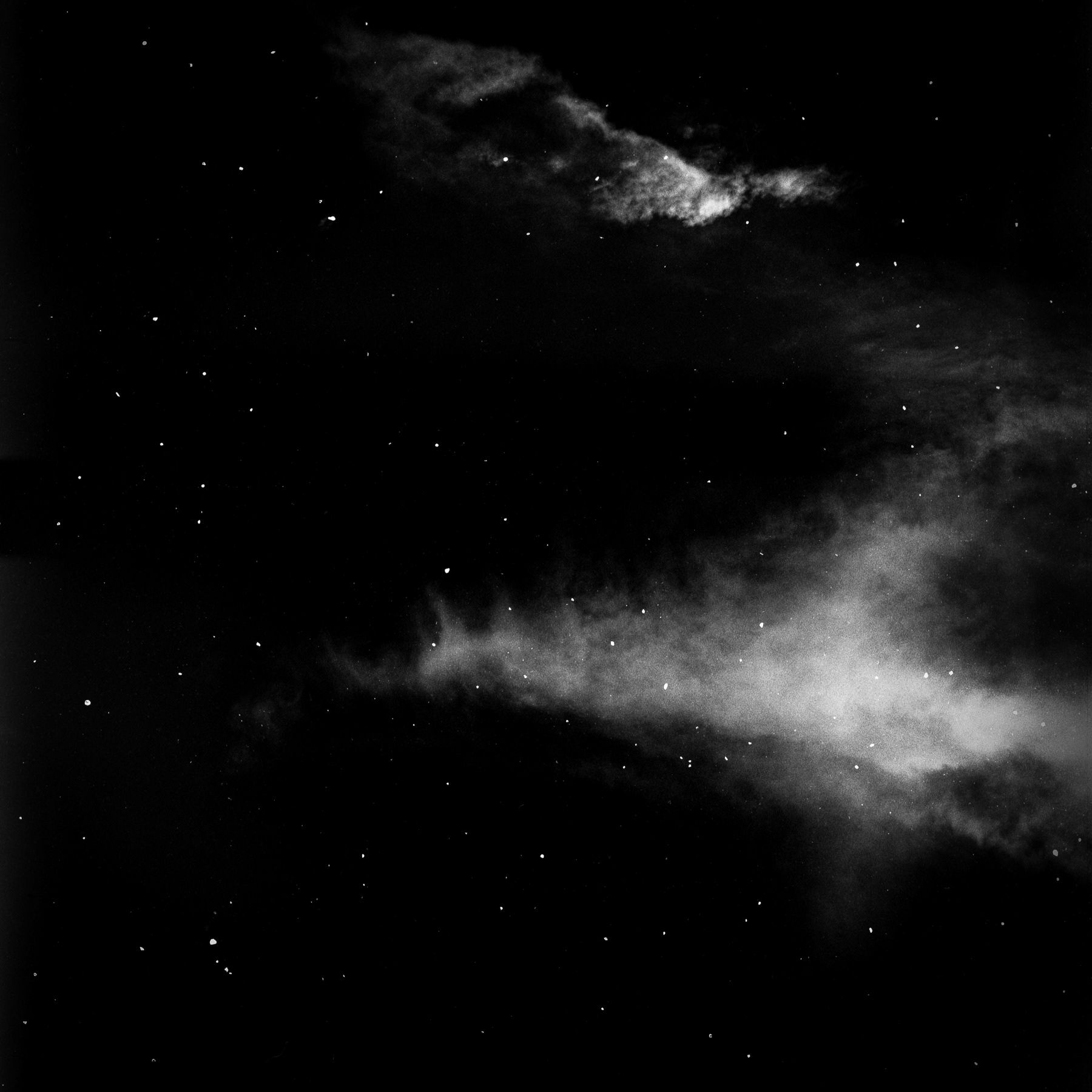
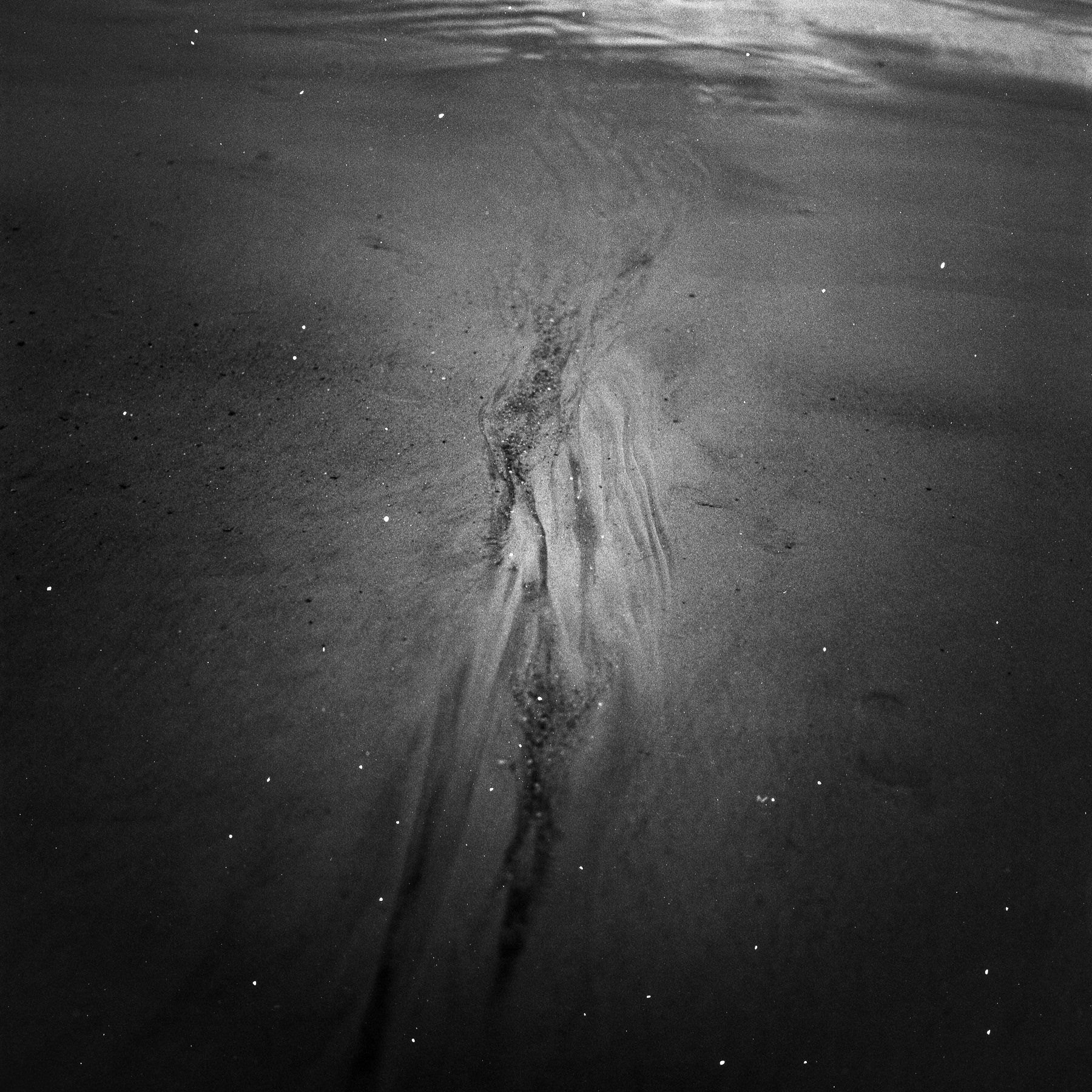
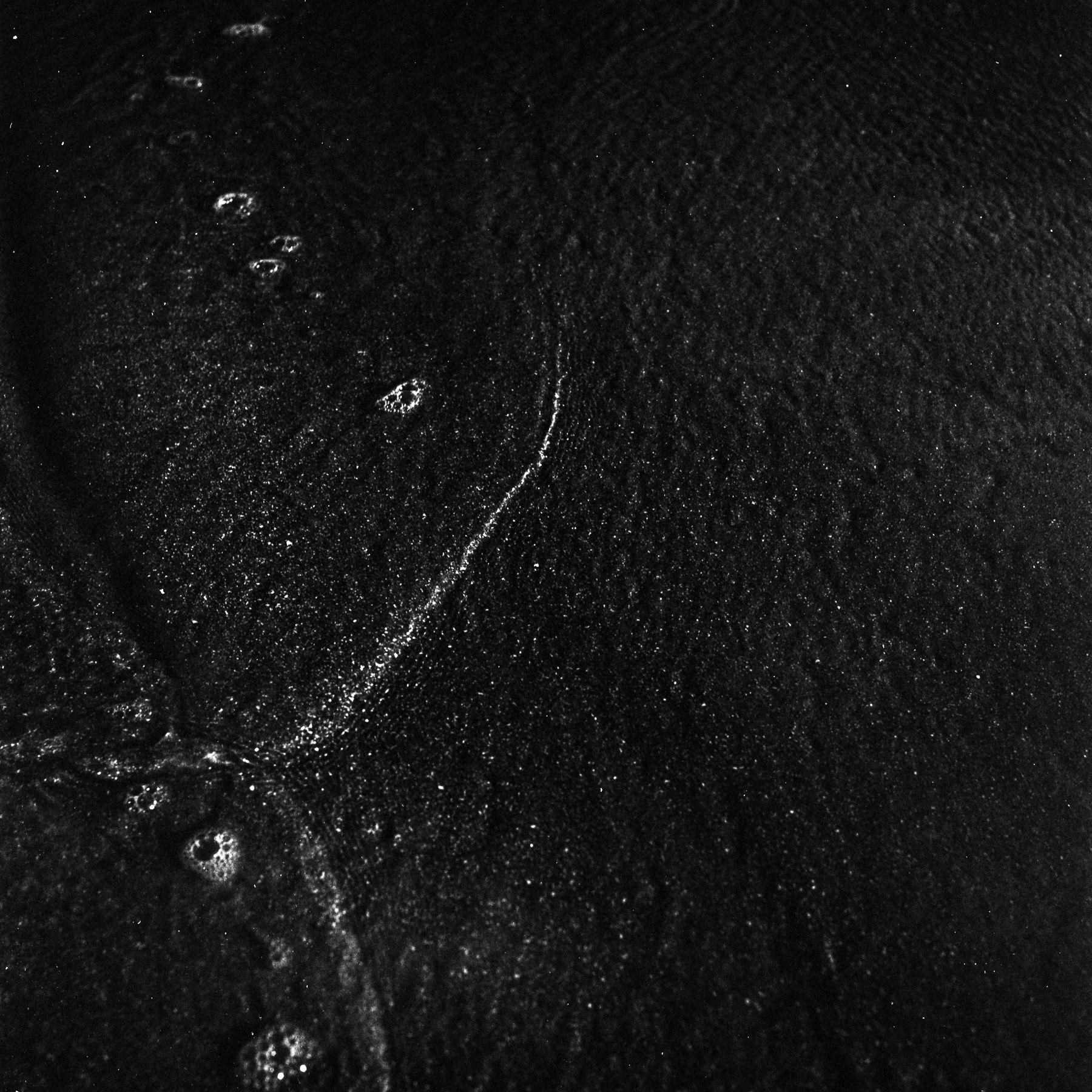
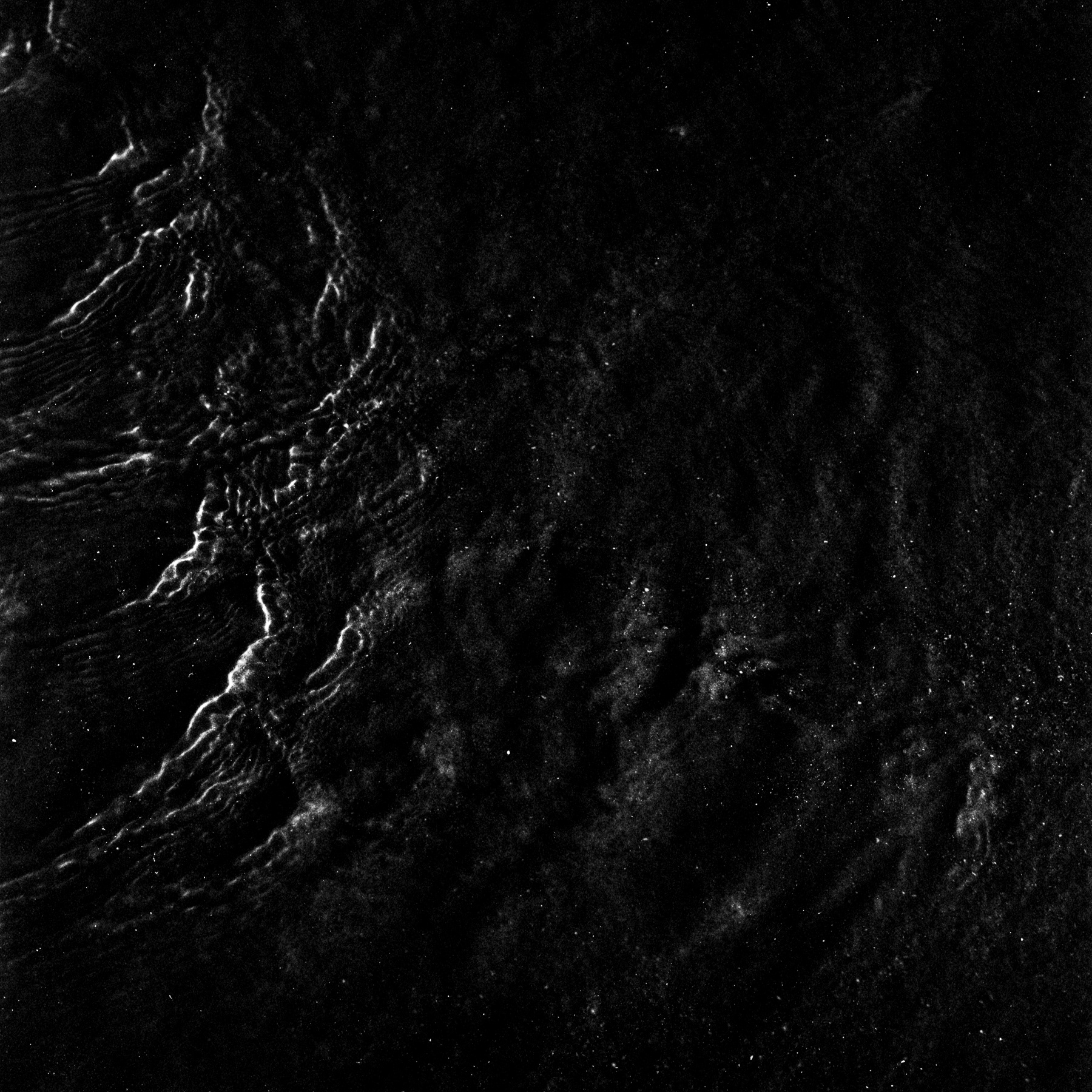
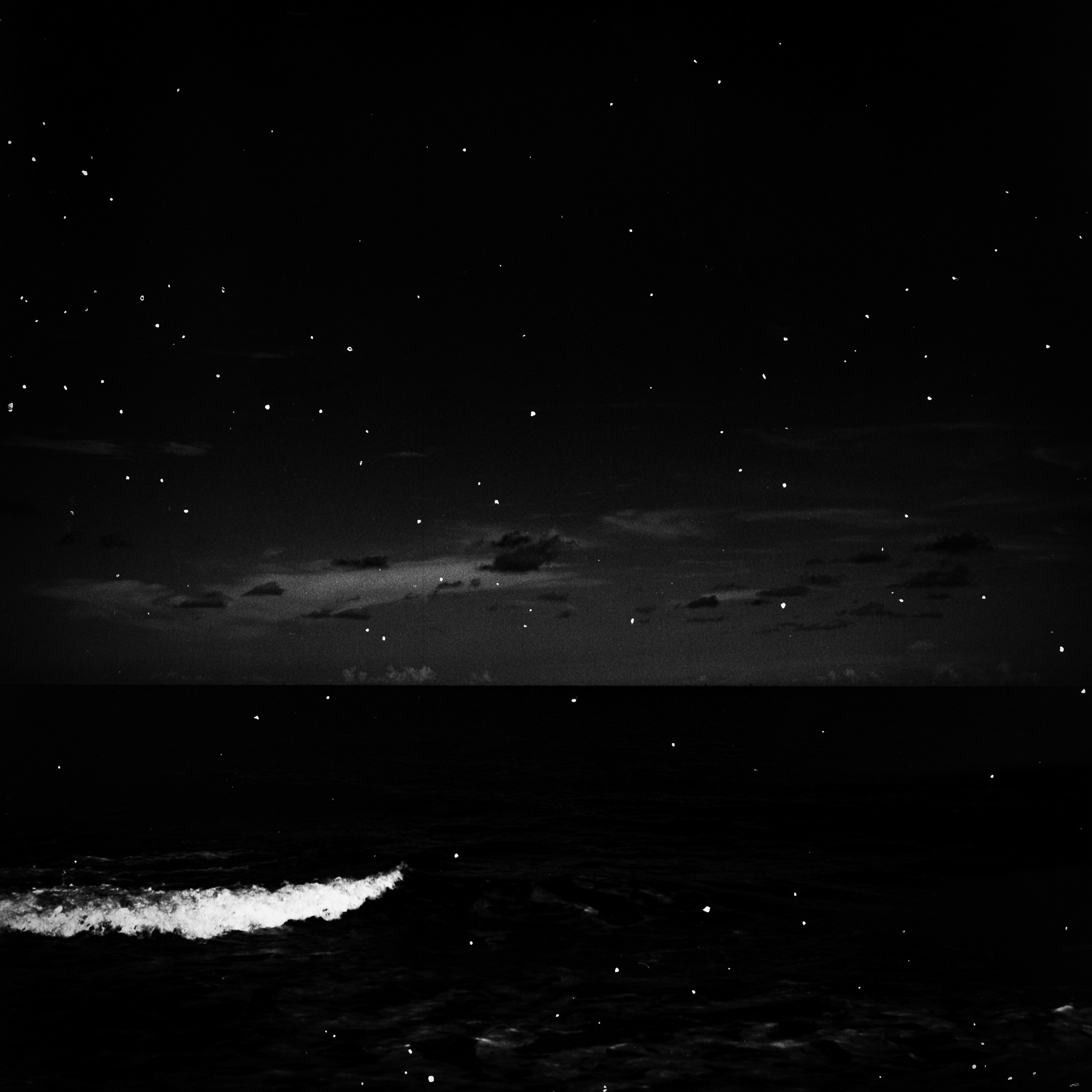
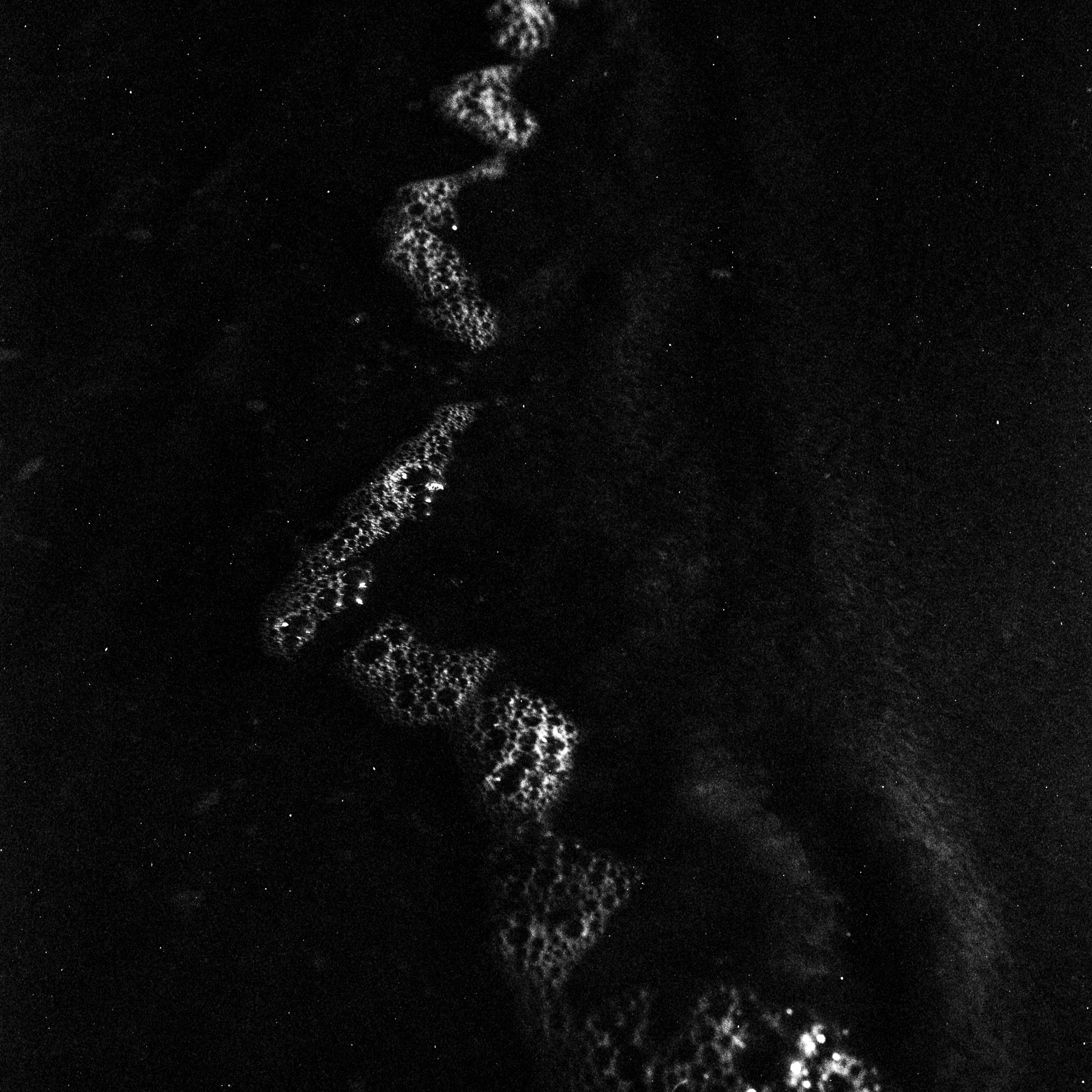
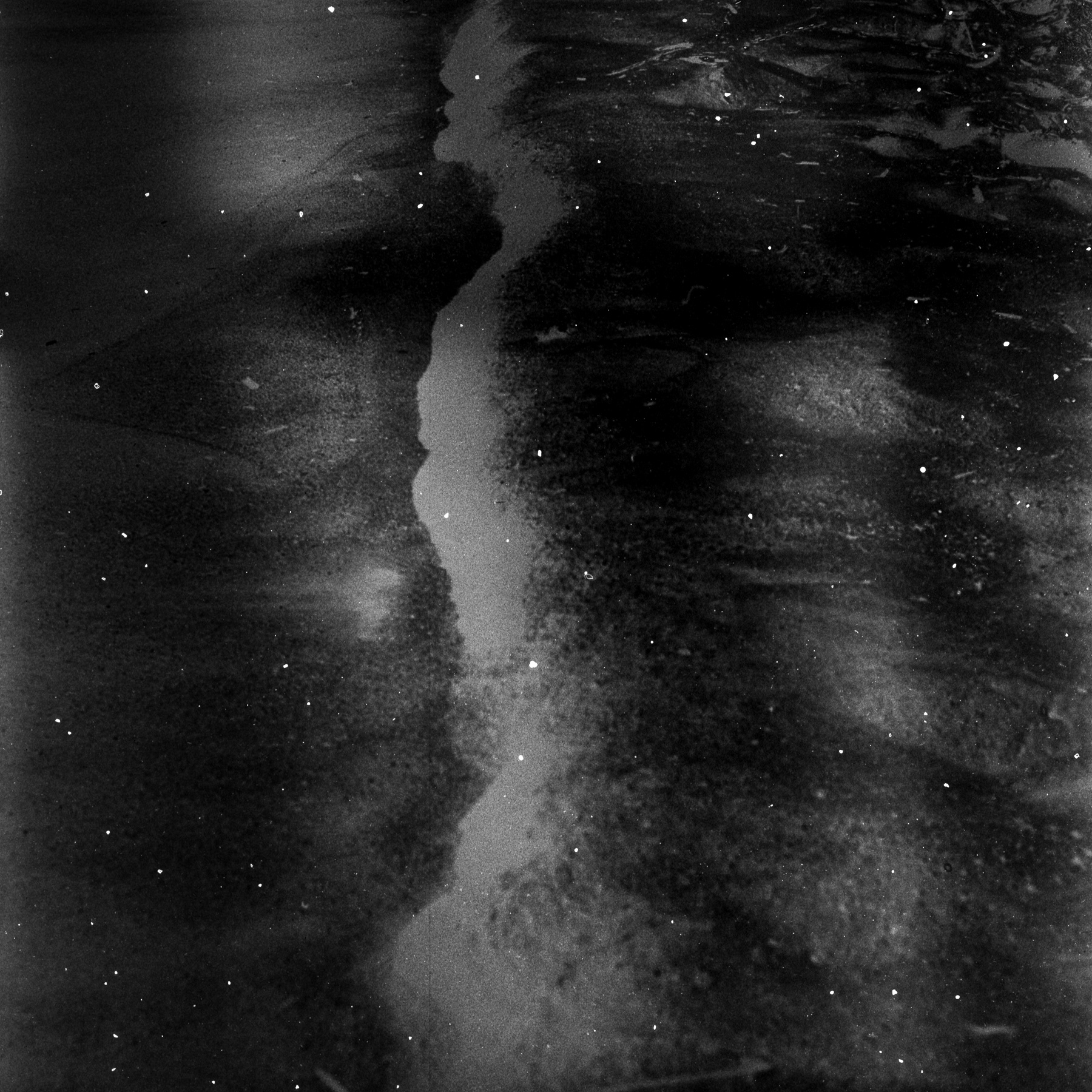
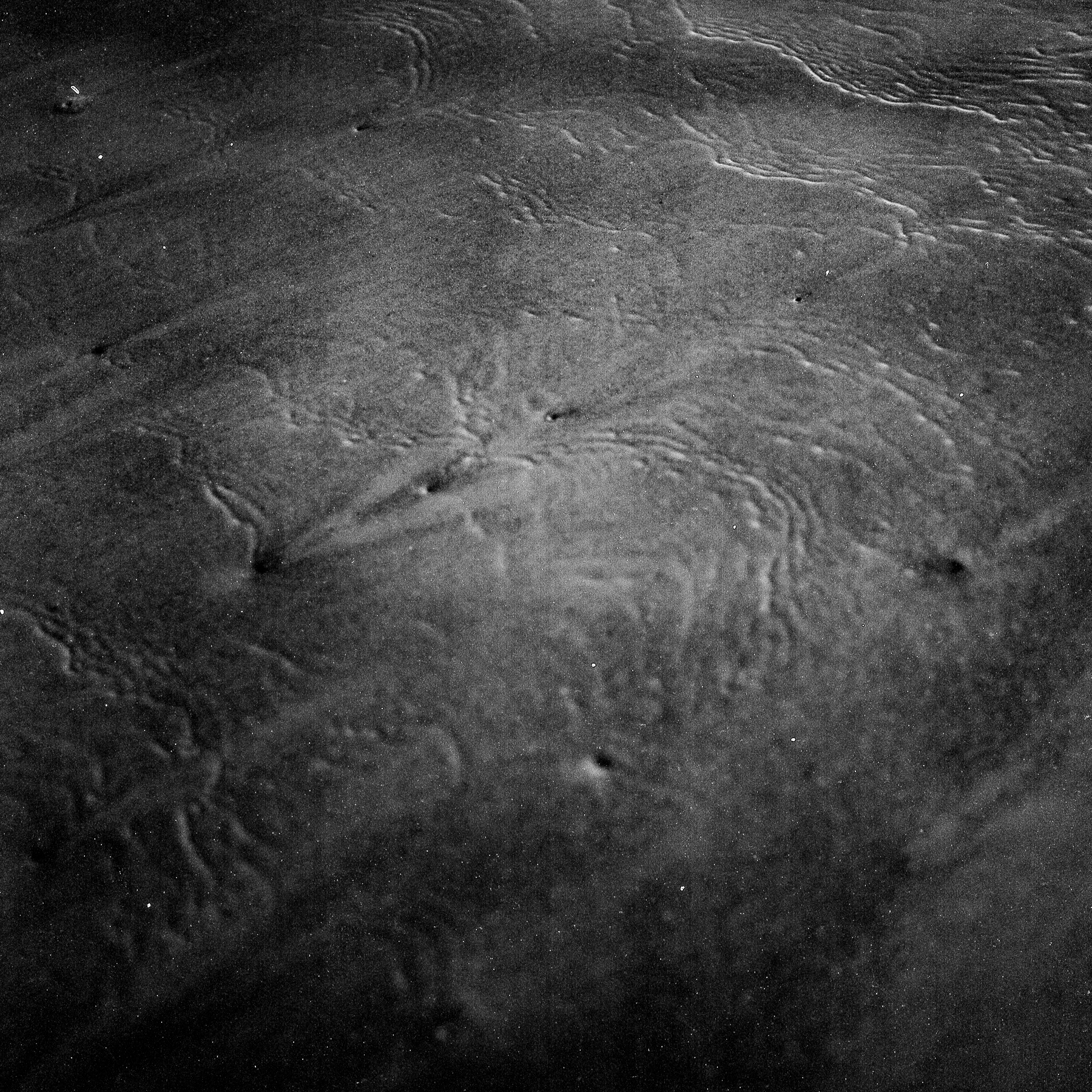
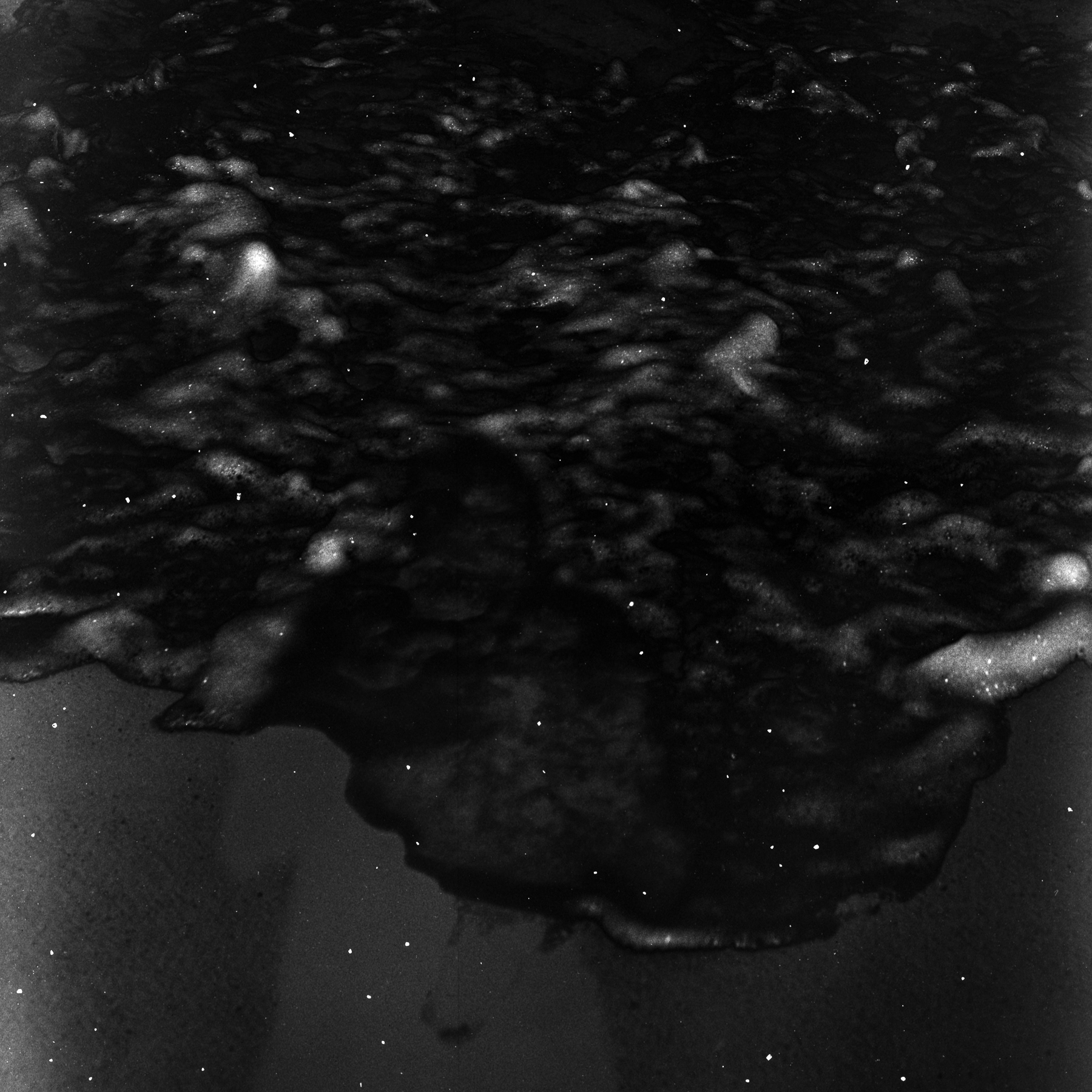
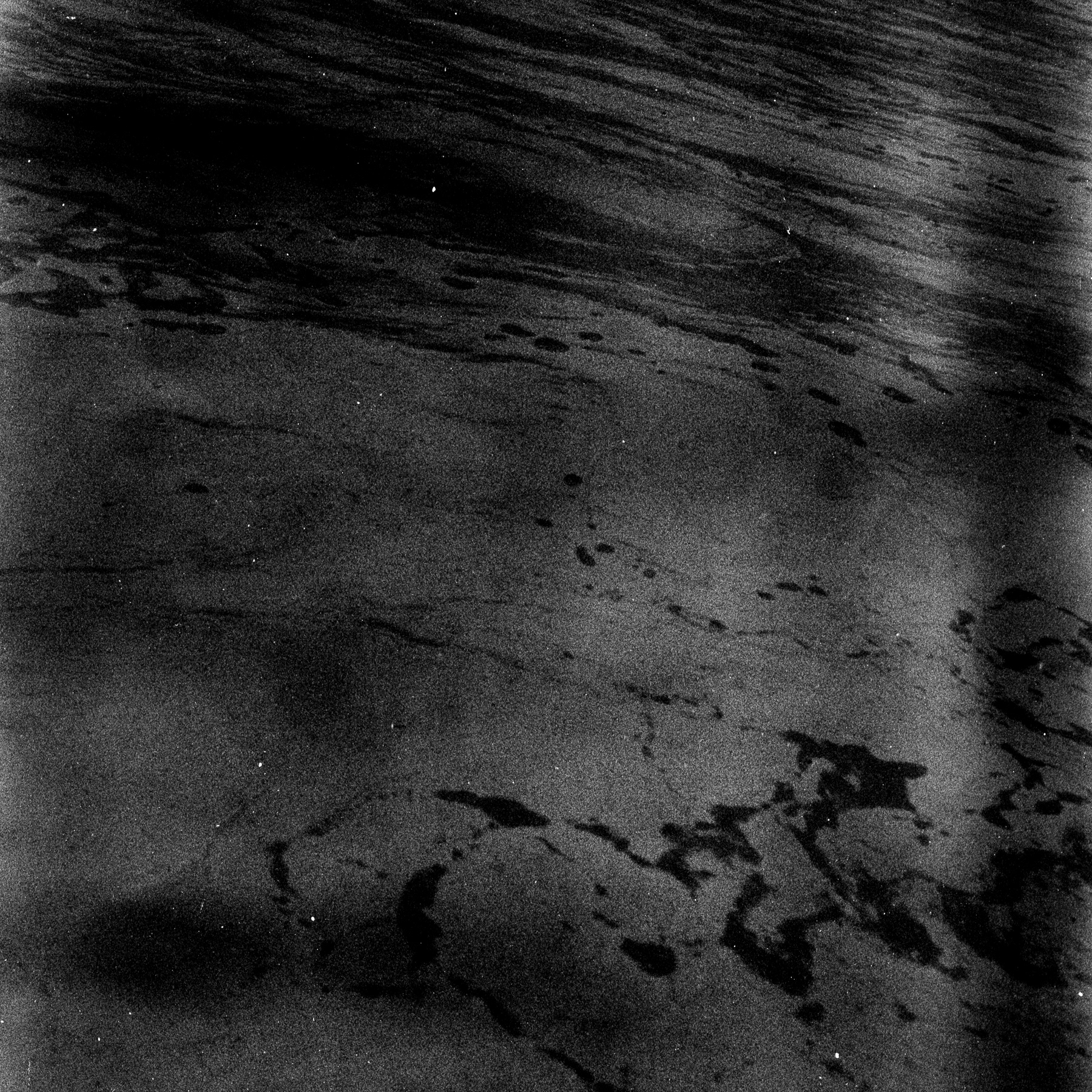
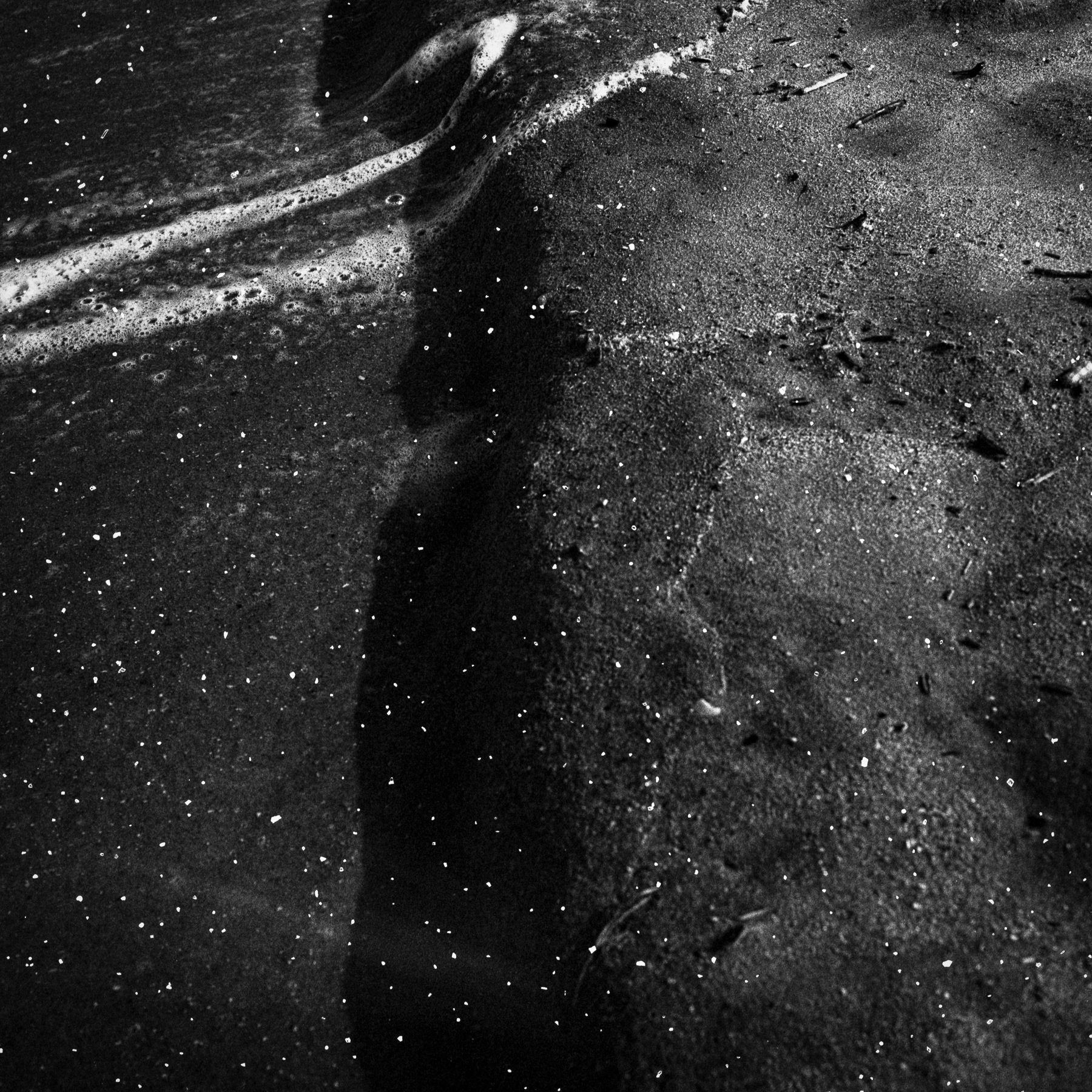
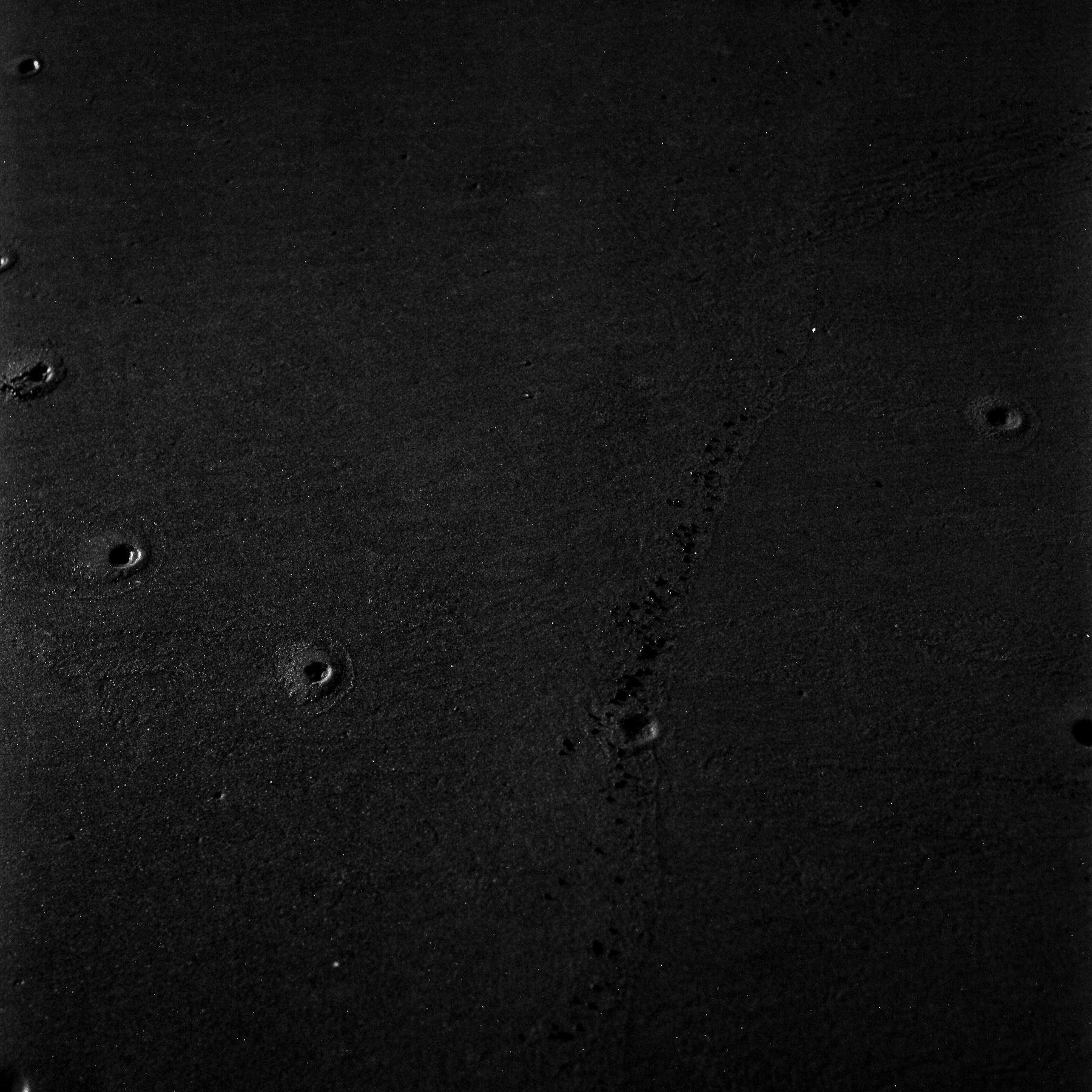
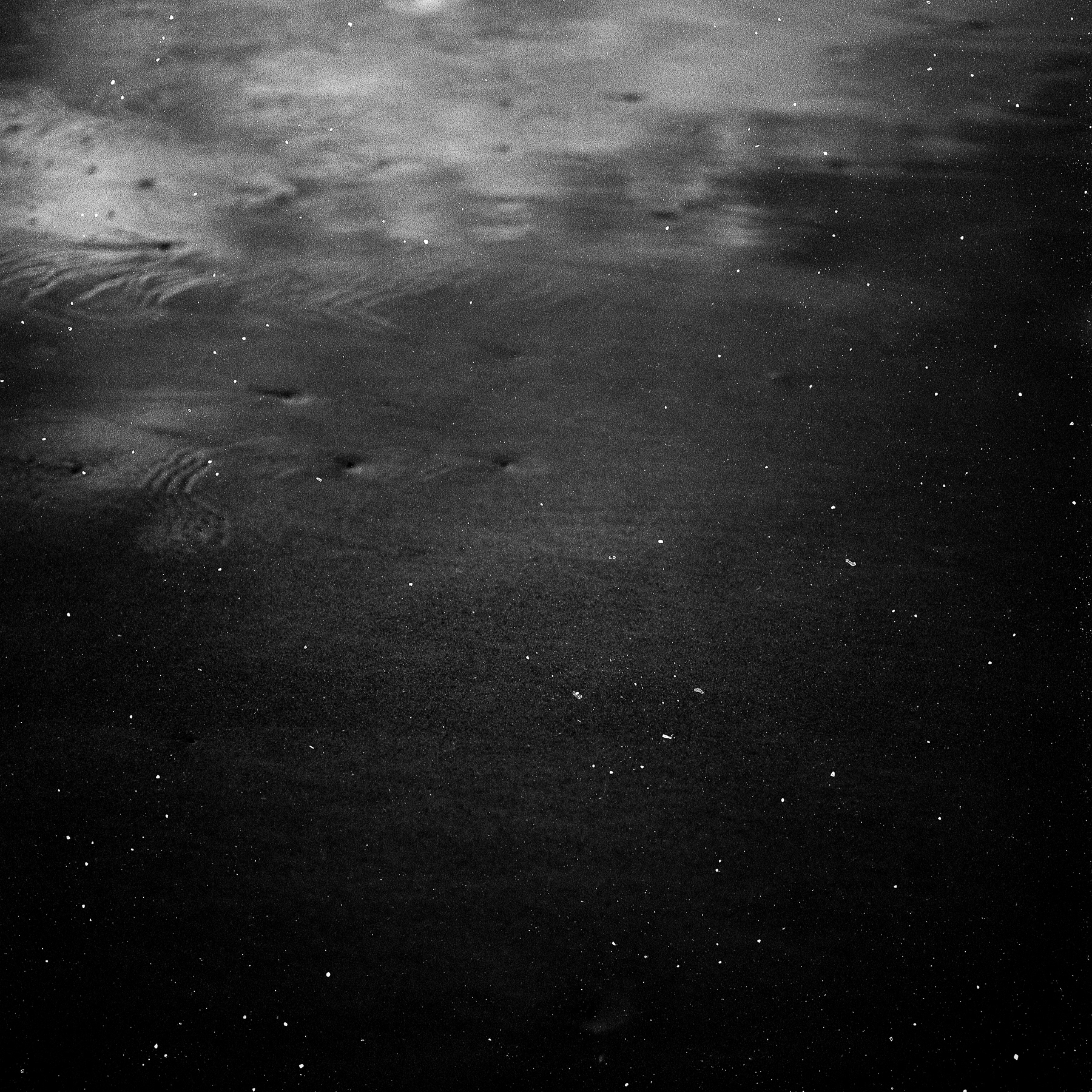
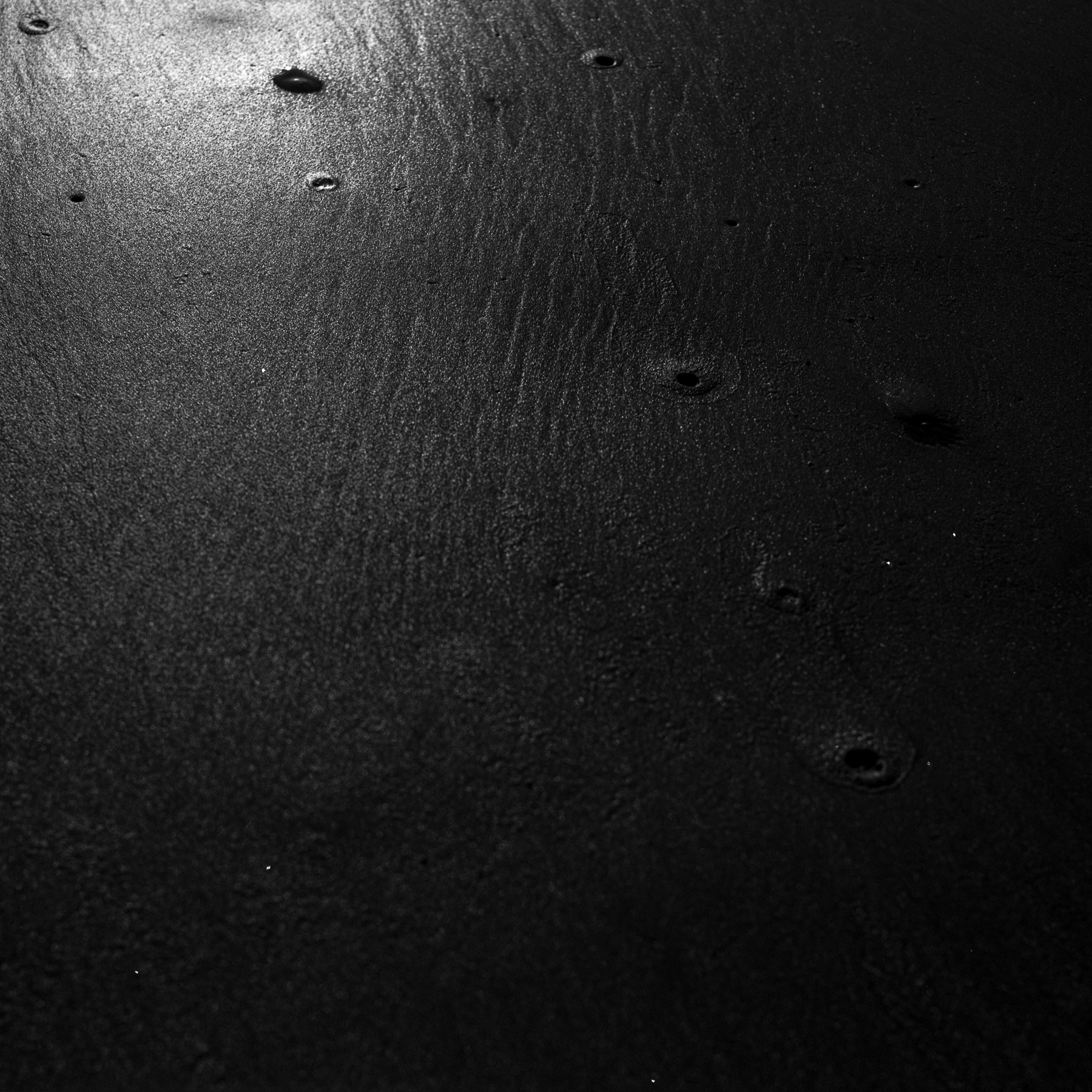
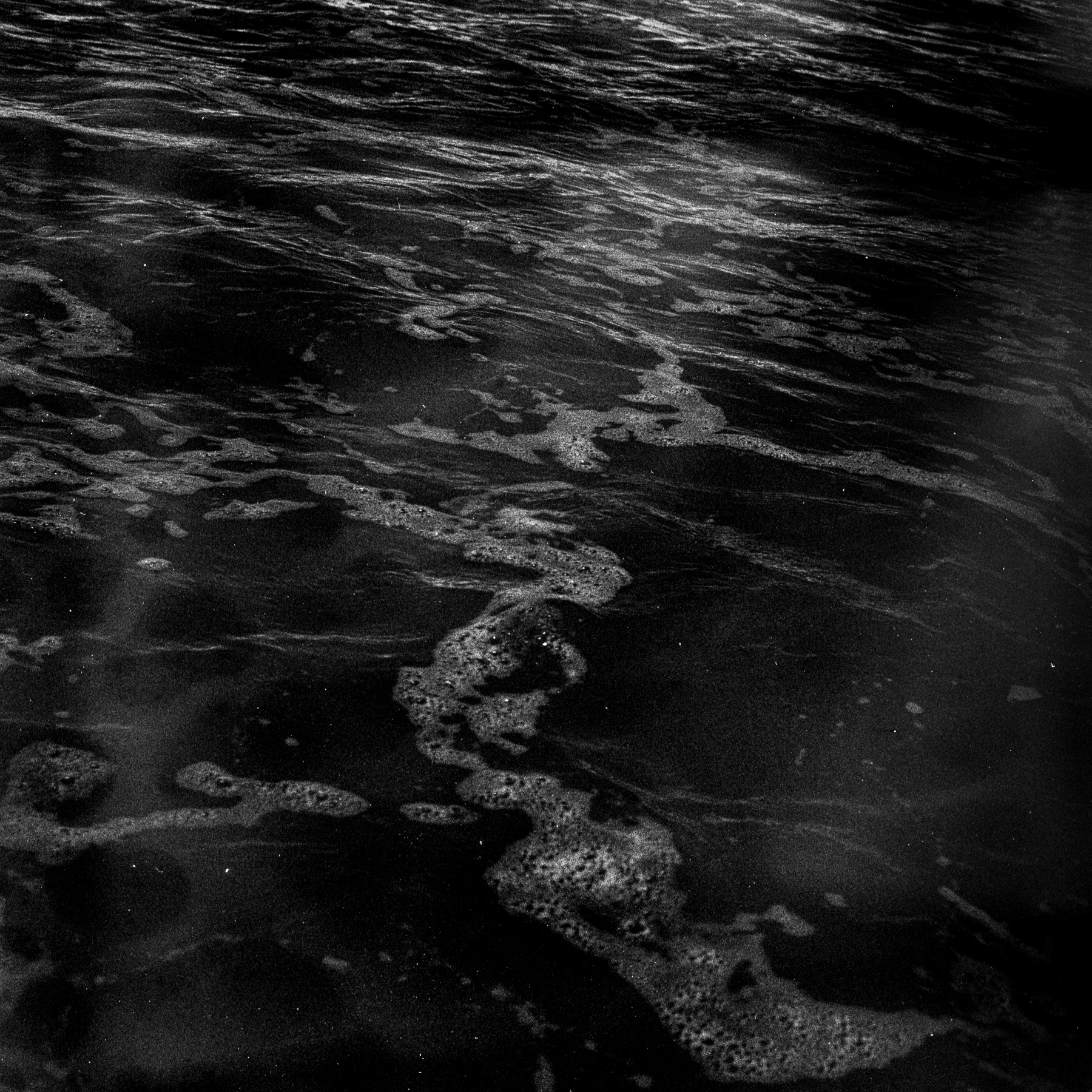
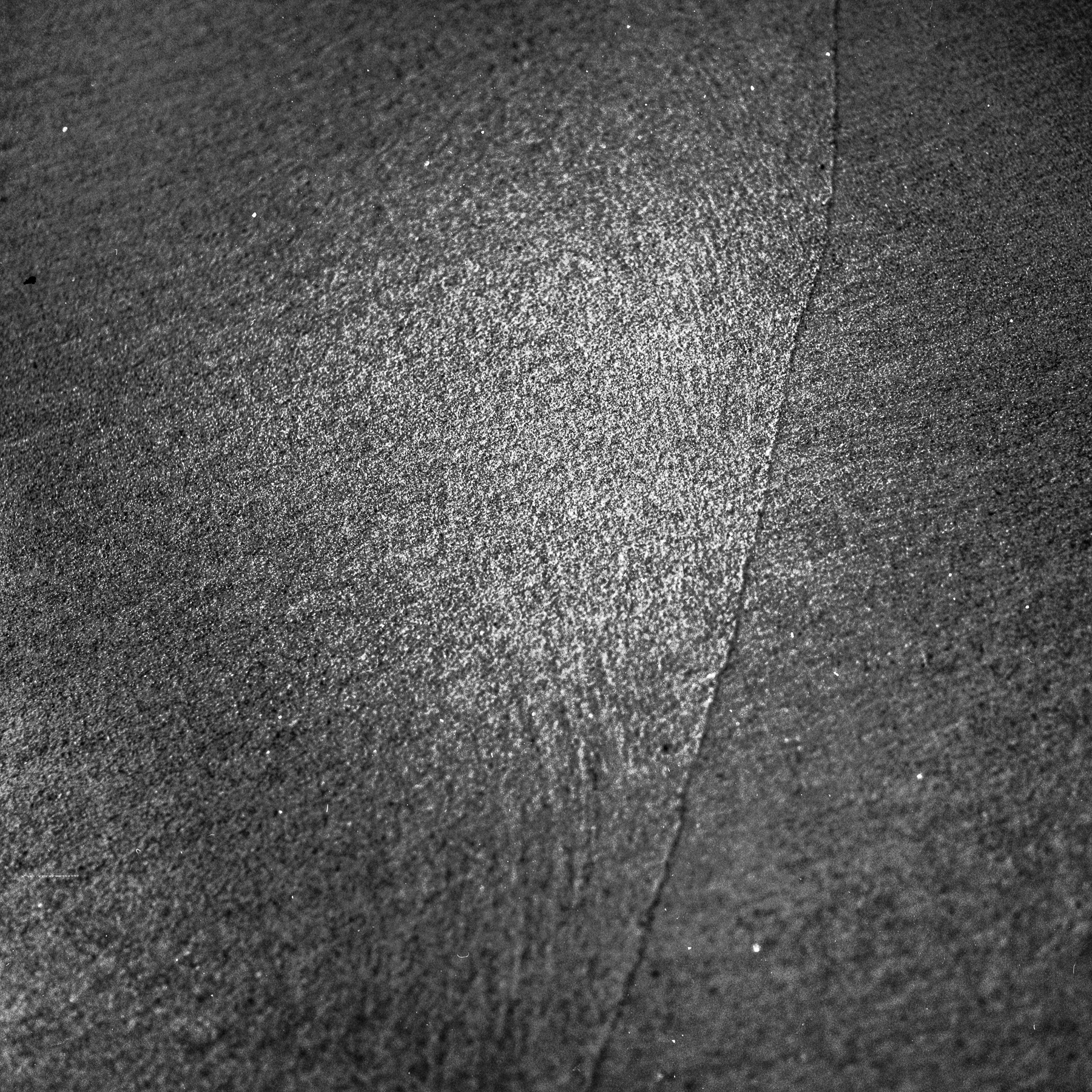
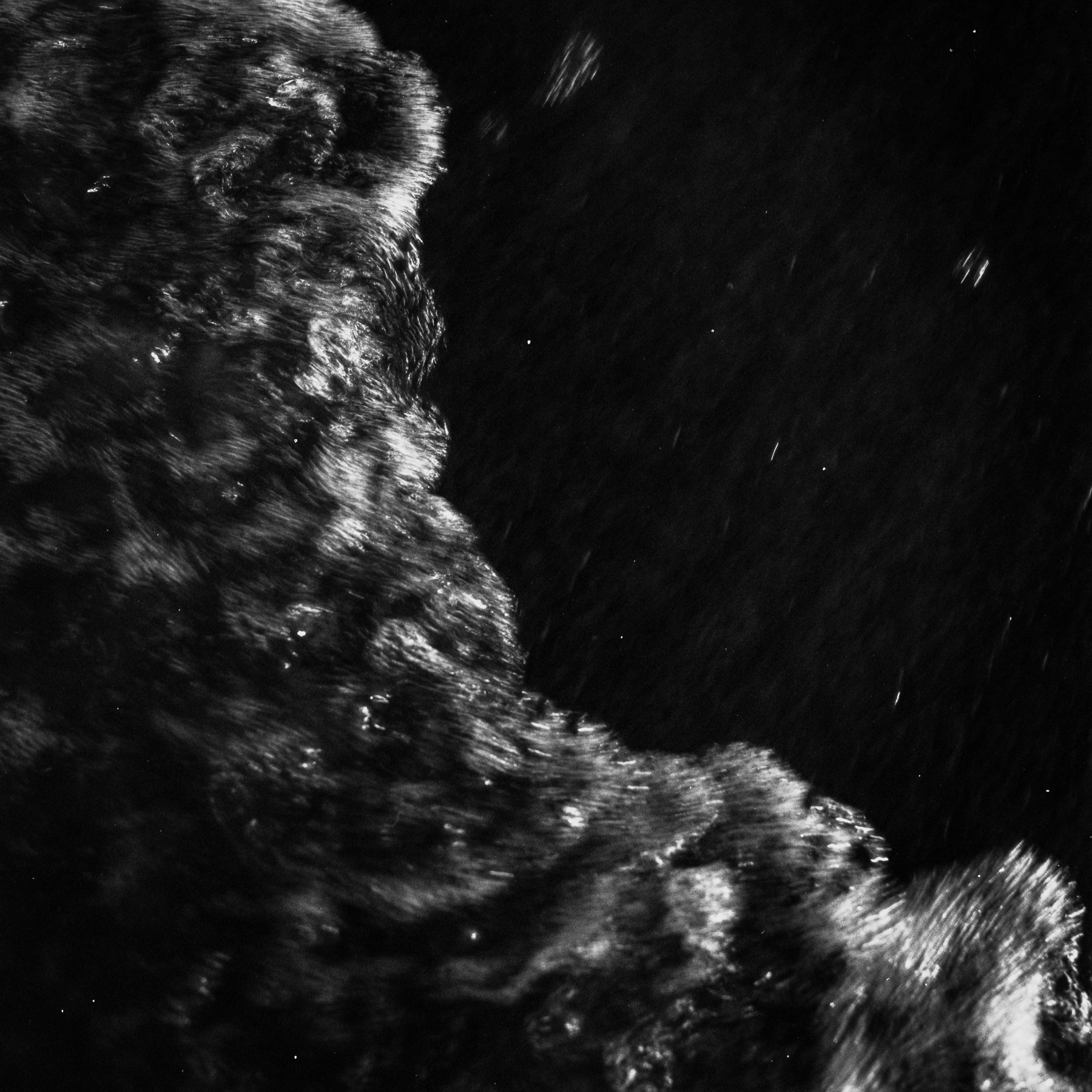
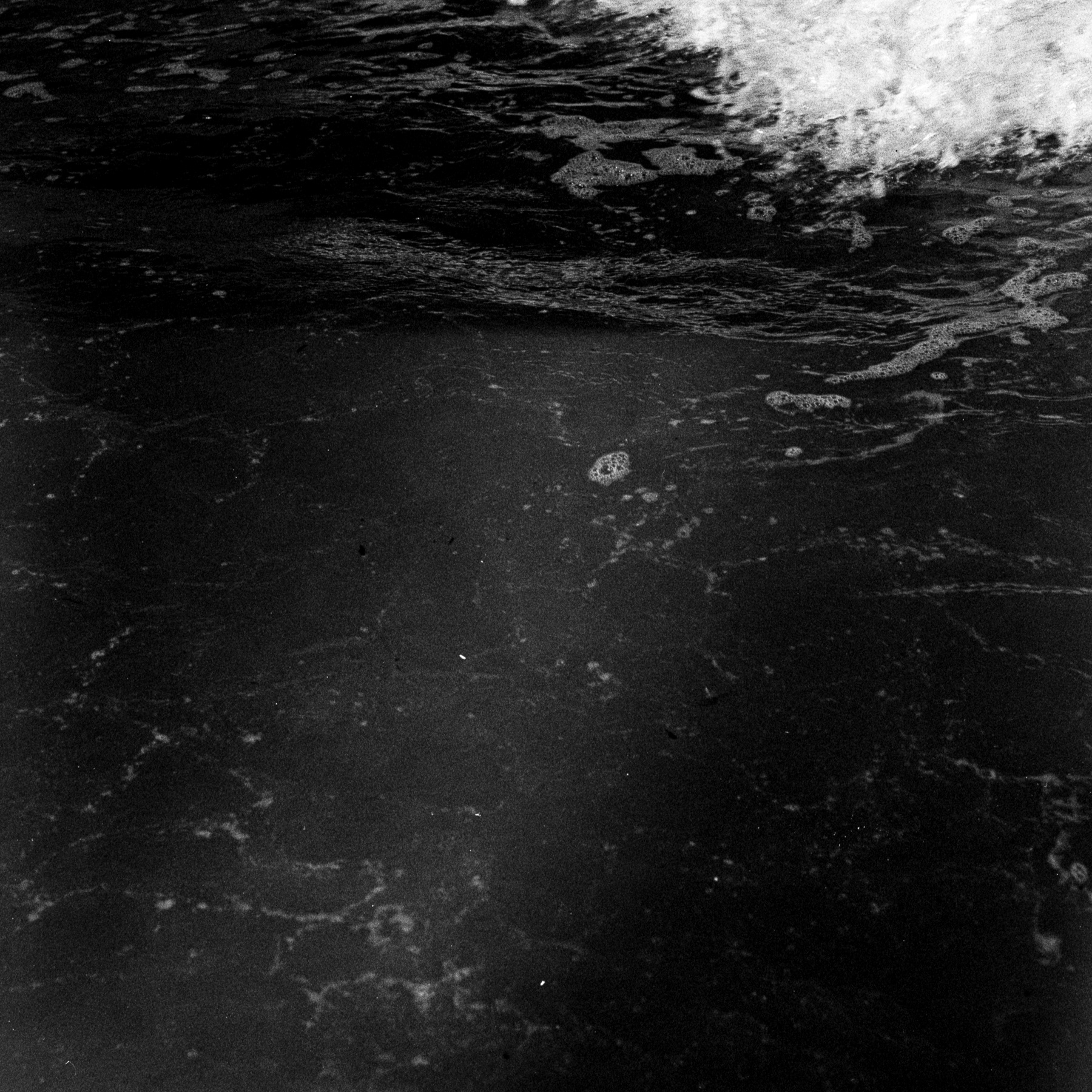
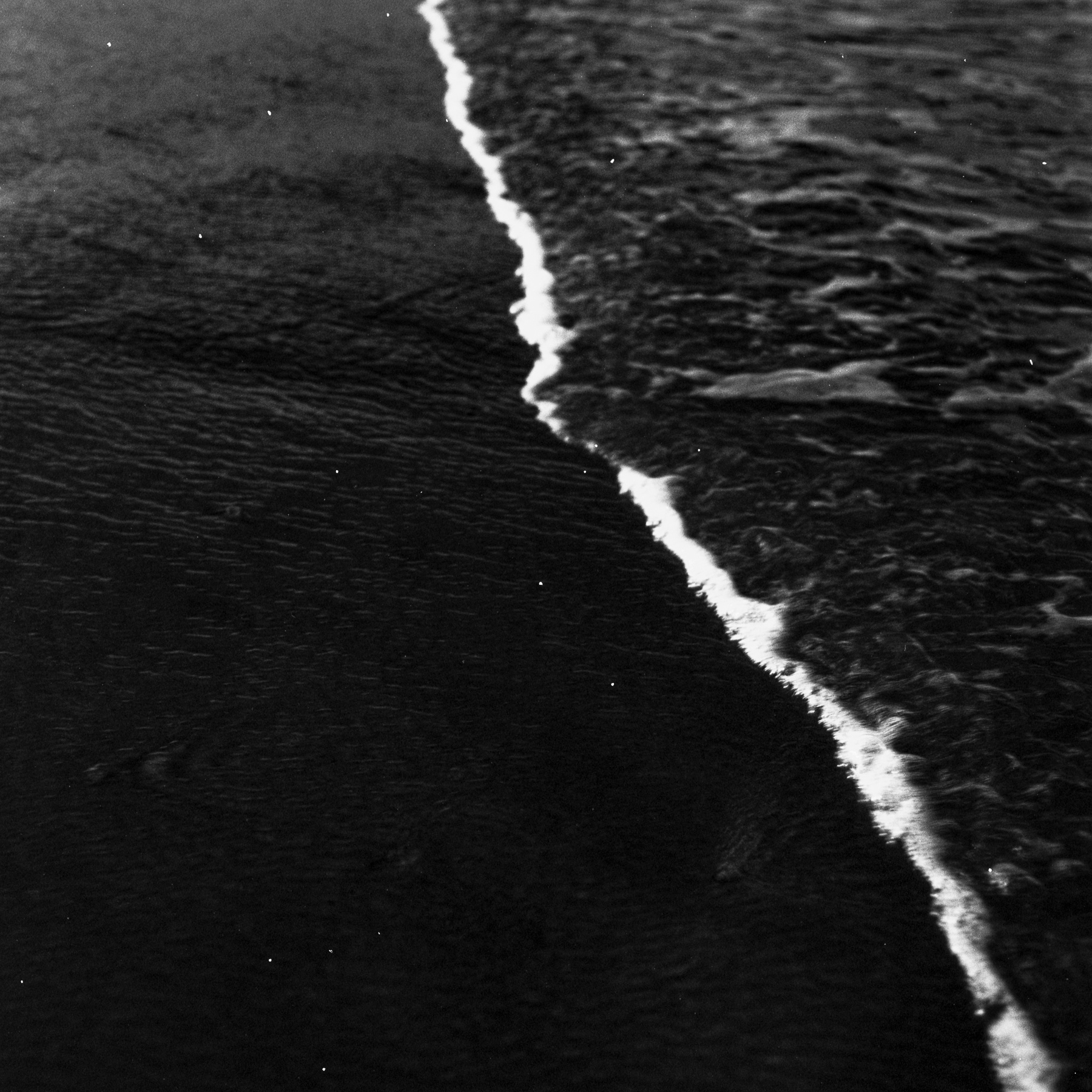
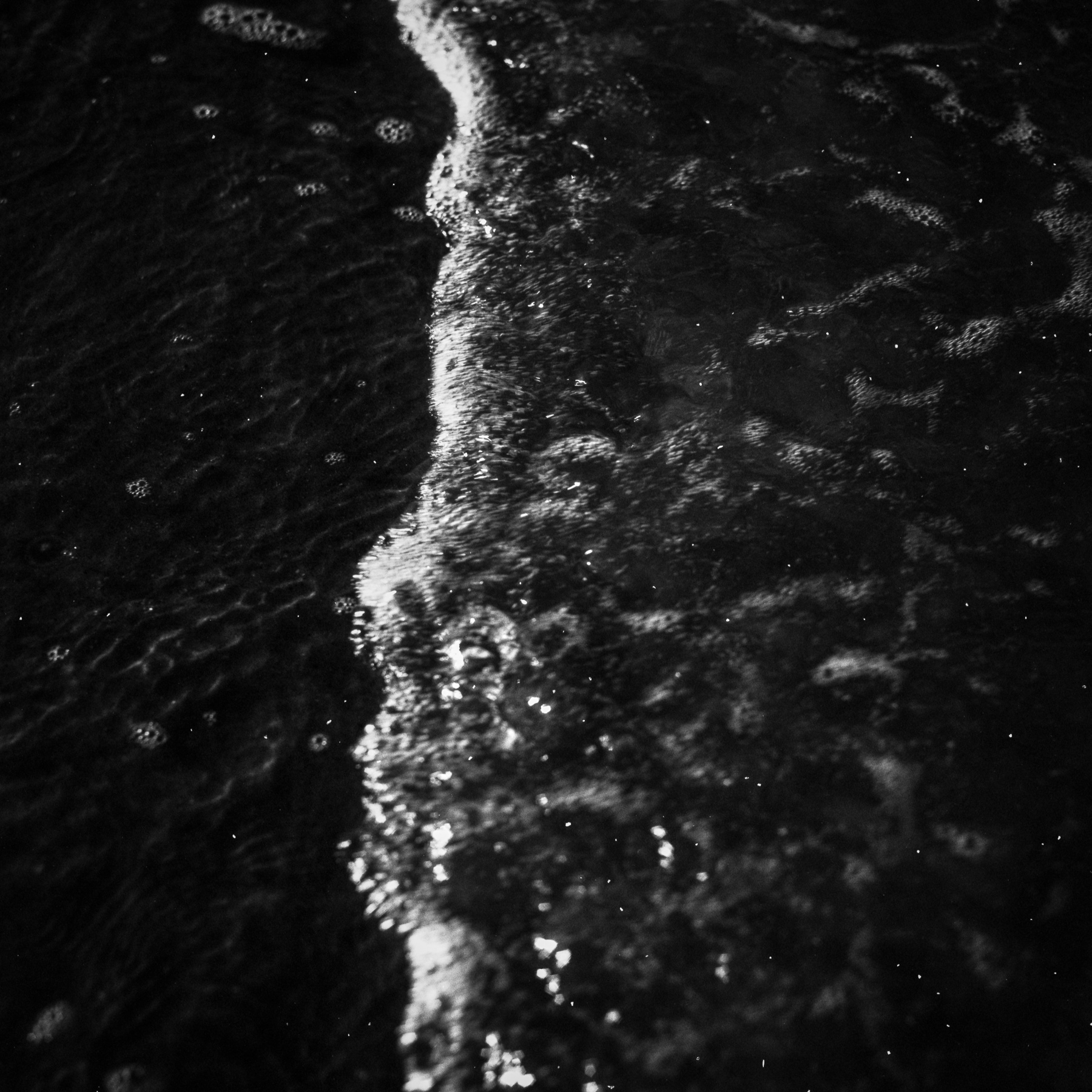
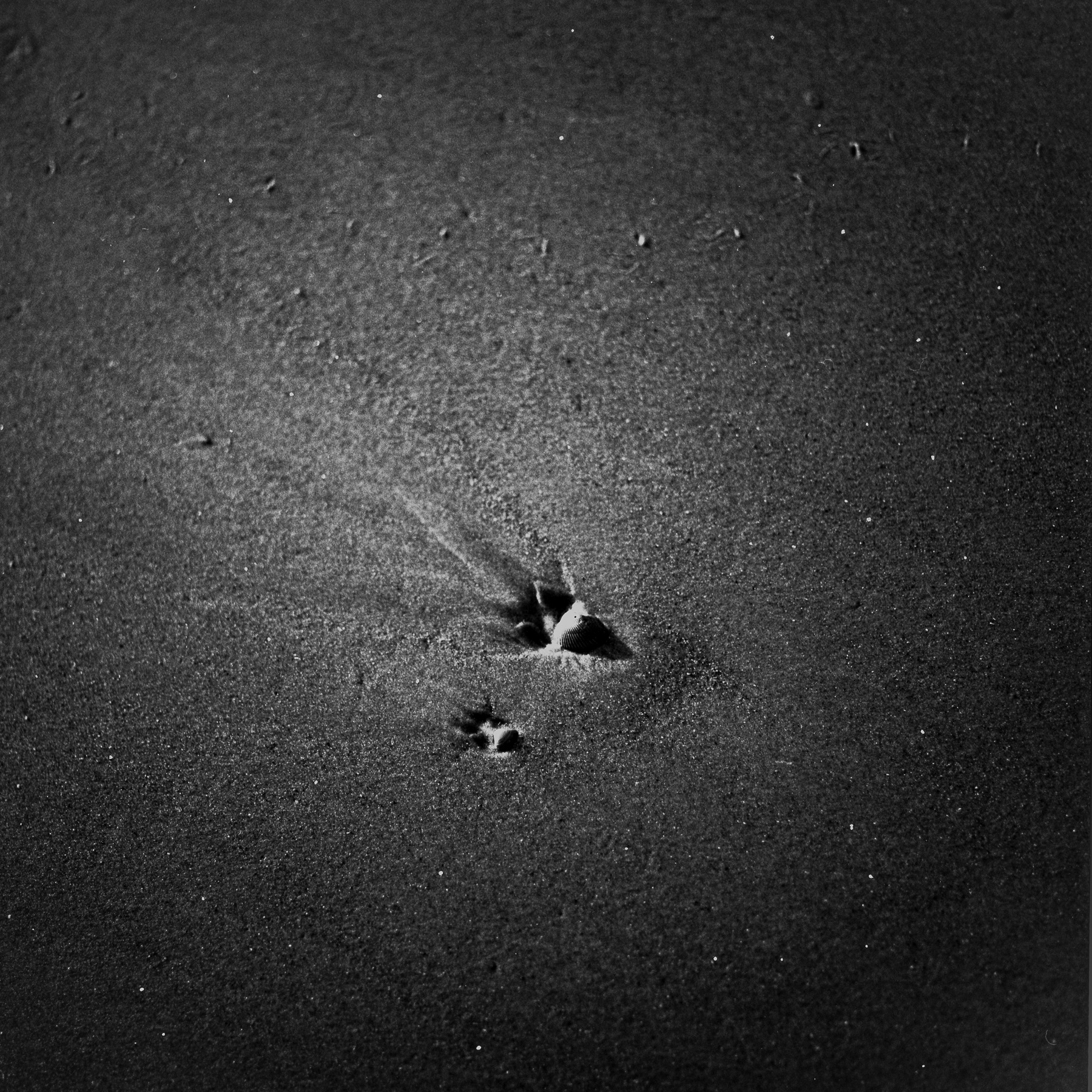
In Edge, the shoreline becomes a model for this inquiry. It is a boundary that never stabilizes, yet continues to exist. By immersing film negatives in seawater collected from the photographed sites, geological and chemical processes alter the photographic surface itself. Salt, minerals, and reactions inscribe their presence into the emulsion, collapsing distinctions between image and residue, document and material.
Across my practice, I am drawn to moments where memory is incomplete, fragmented, or unspoken—where history persists not as narrative, but as pressure. Photography, for me, is not a tool for preservation, but a medium that holds time imperfectly: it fractures, erodes, accumulates, and bears marks of contact.
Rather than producing definitive images, my work remains with processes that unfold slowly and resist closure. I am interested in photography as a long-term practice—one that acknowledges human finitude while remaining attentive to forces that operate beyond human scale.